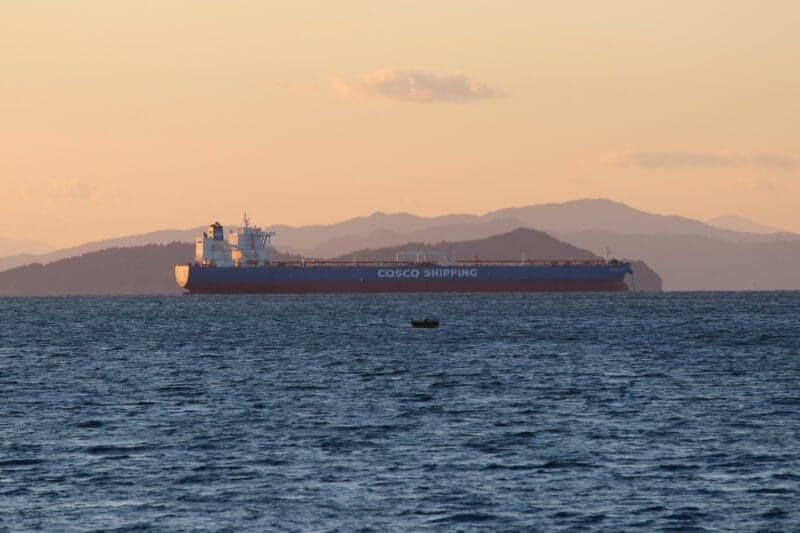
The daily earnings for oil tankers operating on the world's primary crude oil transportation route have recently escalated, reaching approximately $650,000. This surge is primarily attributed to the ongoing conflict involving Iran, which has created significant disruptions and uncertainties in maritime trade flows through critical regions. Additionally, a notable strategic move by a South Korean shipping tycoon has further contributed to the reshaping of global crude oil logistics.
For freight forwarders and operations managers, this development signals a substantial increase in the cost of transporting crude oil. The heightened geopolitical risk in the Middle East, particularly concerning Iran, directly impacts insurance premiums, transit times, and vessel availability. This translates to higher freight rates for shippers, potentially affecting supply chain costs for industries reliant on oil and petroleum products. Forwarders should anticipate continued volatility in tanker rates and potentially longer lead times for oil shipments originating from or transiting through the affected regions. Capacity might also become tighter as shipowners re-evaluate risk exposure and routing options.