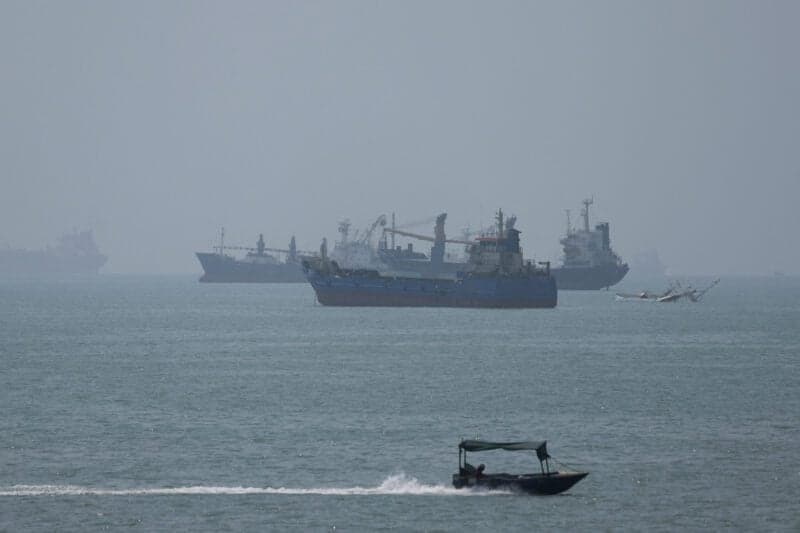
Shipping data released on Monday indicates a notable reduction in the daily transit of visible commodity vessels through the Strait of Hormuz. Over the weekend, the number of vessels navigating this critical chokepoint dropped to an average of five per day.
This decrease in traffic through the Strait of Hormuz, a key passage for global oil and gas shipments, could signal increased geopolitical tensions or a strategic rerouting by shipping companies to mitigate risks. The Strait is a narrow waterway between the Persian Gulf and the Gulf of Oman, essential for a significant portion of the world's seaborne oil exports.
For freight forwarders and operations managers, a sustained reduction in transits through the Strait of Hormuz could lead to longer transit times and increased costs if vessels opt for alternative, longer routes. It may also impact the availability of vessel capacity in the region and potentially drive up war risk insurance premiums, affecting overall supply chain stability and pricing for cargo moving through or near the area.