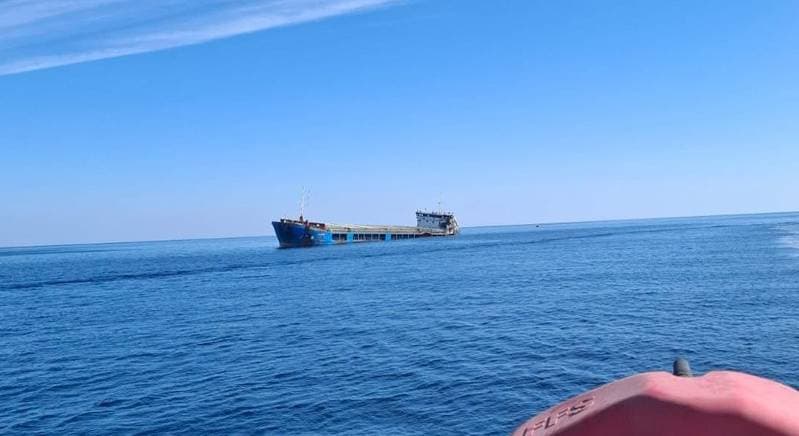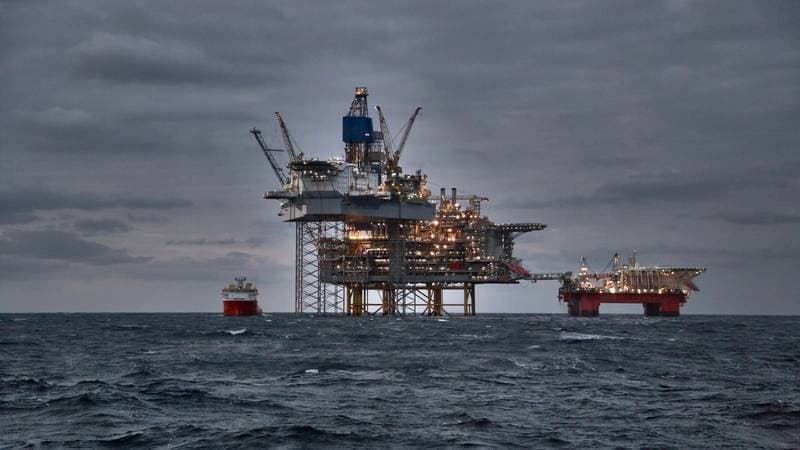
Oil industry executives convened in London recently, projecting that global oil prices will remain high for an extended period, potentially years beyond the current year. This outlook is primarily attributed to several critical factors: persistent shipping bottlenecks, substantial cuts in refinery production capacity, and a significant depletion of oil inventories that will require considerable time to replenish.
The market disruption is largely a consequence of the US-Israeli war on Iran, which commenced in late February. This conflict has introduced considerable instability, affecting supply chains and production capabilities within the oil sector.
For freight forwarders and operations managers, this situation implies continued volatility and potential increases in bunker fuel costs, directly impacting ocean freight rates. The reduced refinery output could also lead to tighter availability of refined products, affecting various industrial supply chains. Shippers should anticipate higher transportation costs and potential delays due to ongoing logistical challenges in the energy sector.