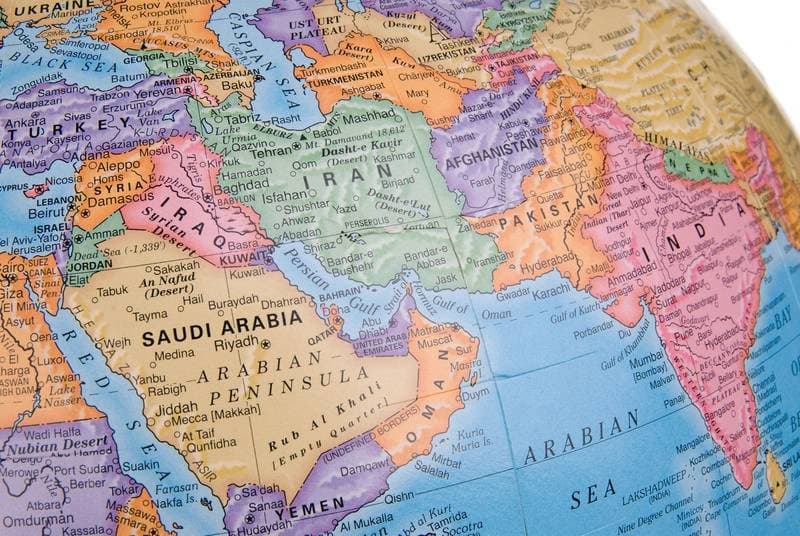
Since the beginning of the ongoing conflict, Iran and its affiliated groups have reportedly carried out a series of precise attacks targeting vital port and energy infrastructure throughout the Gulf. These operations have focused on disabling key operational equipment, resulting in cascading system failures and considerable economic damage across the region.
This campaign represents a strategic effort to disrupt critical logistical and energy supply chains in the Gulf, a region crucial for global trade and oil transit. The nature of these strikes, described as pinpoint and systematic, suggests a deliberate strategy to inflict maximum disruption on a regional scale.
For freight forwarders and supply chain managers, this situation significantly heightens operational risks in the Gulf. The targeting of port and energy infrastructure implies potential disruptions to vessel movements, cargo handling, and overall supply chain reliability. Shippers should anticipate increased war risk premiums for voyages through the Gulf, potential re-routing of vessels, and longer transit times. The systematic nature of the attacks could also lead to unpredictable port closures or operational slowdowns, necessitating robust contingency planning and real-time visibility solutions to mitigate impacts on cargo delivery schedules and costs.
The article does not specify any immediate next steps or potential resolutions, focusing instead on the ongoing nature and impact of the strikes.