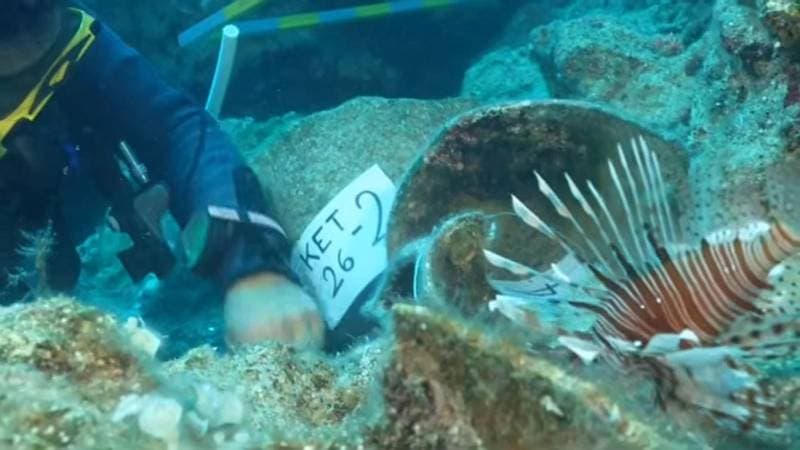
Underwater archaeologists from Akdeniz University have uncovered an Early Bronze Age shipwreck off Kekova Island, located on Turkey's Mediterranean coast. The discovery includes pottery dating back approximately 4,700 years, offering a rare glimpse into the maritime trade and daily life aboard ships during that period. This find is particularly significant as it represents one of the oldest known shipwrecks in the Mediterranean, pushing back the timeline of complex seafaring and commercial activities in the region.
The context of this discovery lies in ongoing archaeological efforts to understand ancient trade networks. The Mediterranean has been a vital artery for commerce for millennia, and this shipwreck provides direct evidence of sophisticated maritime transport during the Early Bronze Age, a period often less documented than later eras.
For modern freight forwarders and supply chain professionals, while this discovery does not have a direct operational impact, it serves as a historical reminder of the enduring importance of maritime routes. It underscores how trade has always adapted to available technology and geopolitical landscapes, a constant theme throughout history, from ancient pottery vessels to today's mega-containerships. The find highlights the long legacy of maritime logistics and the continuous evolution of shipping practices.
Future research will likely focus on further excavation of the site and analysis of the recovered artifacts to reconstruct the ship's origin, destination, and the specific goods it carried, potentially revealing more about the economic and cultural exchanges of the Early Bronze Age Mediterranean.