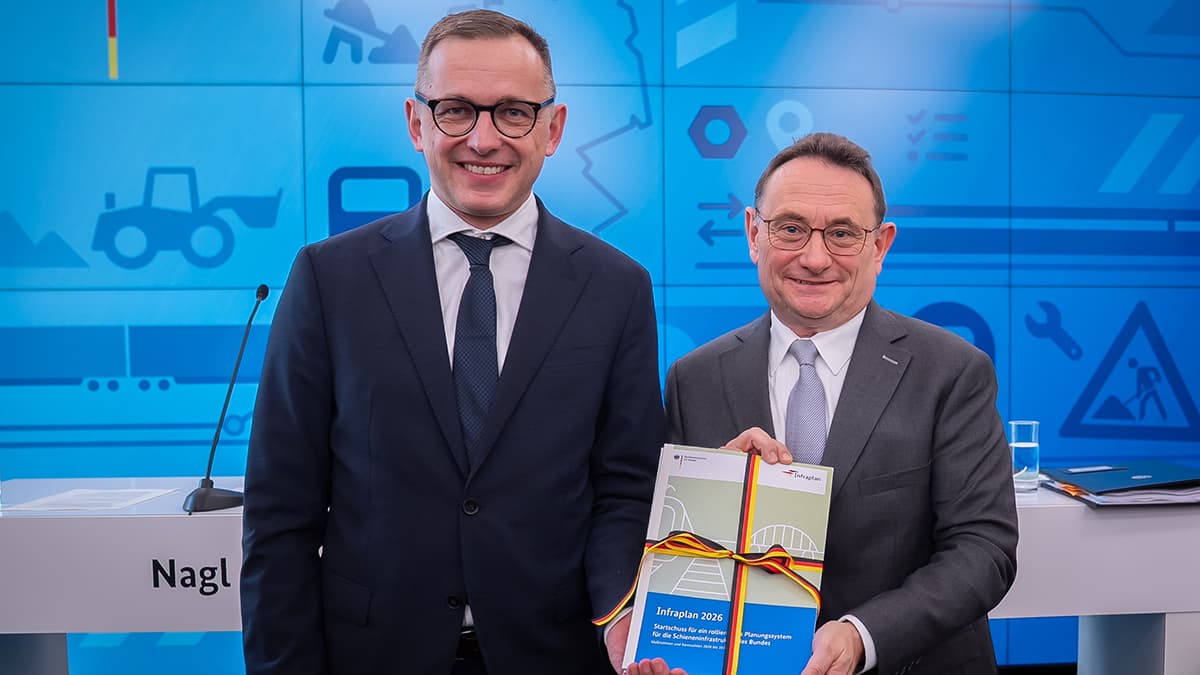
The German Ministry of Transport has submitted its inaugural rail infrastructure plan to DB InfraGO, marking the first step in what is intended to be an ongoing strategic framework for railway development. While this plan aims to guide future investments and upgrades, initial assessments from industry stakeholders indicate that its scope might be insufficient to bring about a meaningful transformation of Germany's rail network.
For freight forwarders and logistics operators, this implies that anticipated improvements in rail capacity, reliability, and transit times might not materialize as hoped. Limited investment in critical bottlenecks or network expansion could perpetuate existing challenges, such as congestion and delays, affecting multimodal supply chains reliant on German rail. Forwarders may need to continue factoring in potential rail network constraints when planning routes and estimating lead times, potentially impacting cost-efficiency and schedule adherence for their clients.