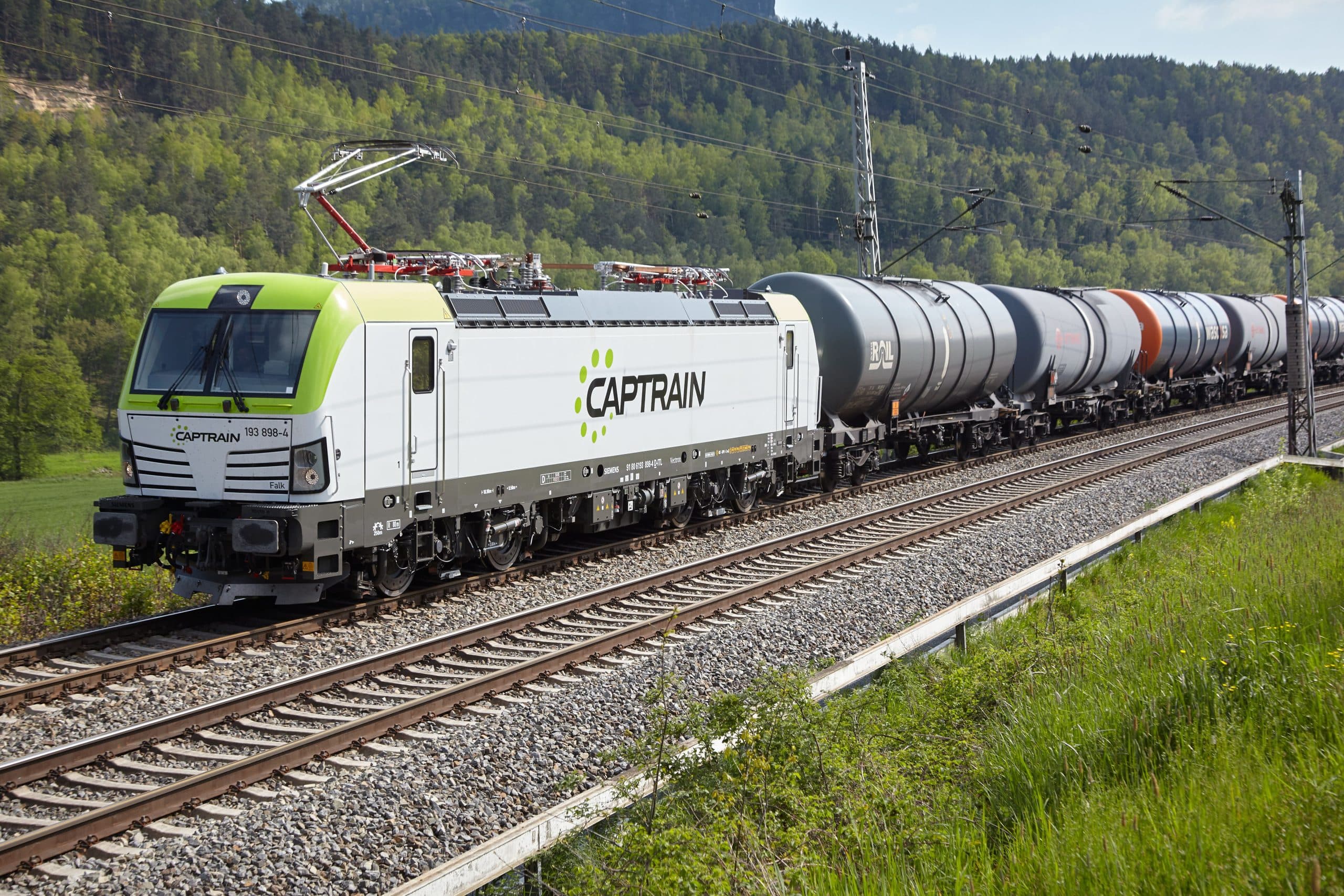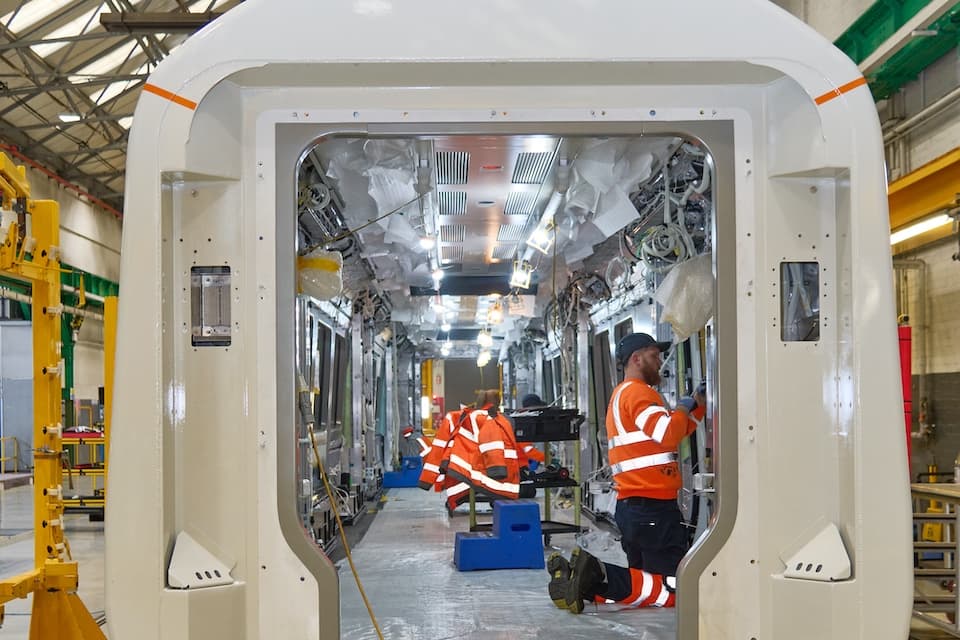
The rail freight sector in the United Kingdom is expected to experience indirect benefits from a forthcoming reform in rolling stock procurement. While the primary focus of these changes, spearheaded by Great British Railways (GBR), is on passenger services, the broader improvements to the rail network and asset management could positively impact freight operations.
The current system for acquiring and managing rolling stock in the UK has often been criticized for its complexity and inefficiency. The proposed reforms aim to streamline this process, making it more agile and responsive to the needs of the entire rail network. By optimizing the procurement, maintenance, and deployment of trains, the initiative seeks to enhance overall railway efficiency and capacity.
For freight forwarders and logistics managers, this could translate into several advantages. Improved asset utilization and better network planning might lead to increased availability of paths for freight trains, potentially reducing transit times and improving schedule reliability. A more efficient rolling stock pool could also mitigate disruptions caused by equipment failures, offering a more dependable service. This could make rail a more attractive option for shippers, especially for intermodal movements, by providing greater certainty in lead times and capacity.
While the direct implications for freight are not explicitly detailed in the initial reform announcements, the underlying goal of a more integrated and efficient railway system is likely to create a more favorable operating environment for all users, including freight operators.