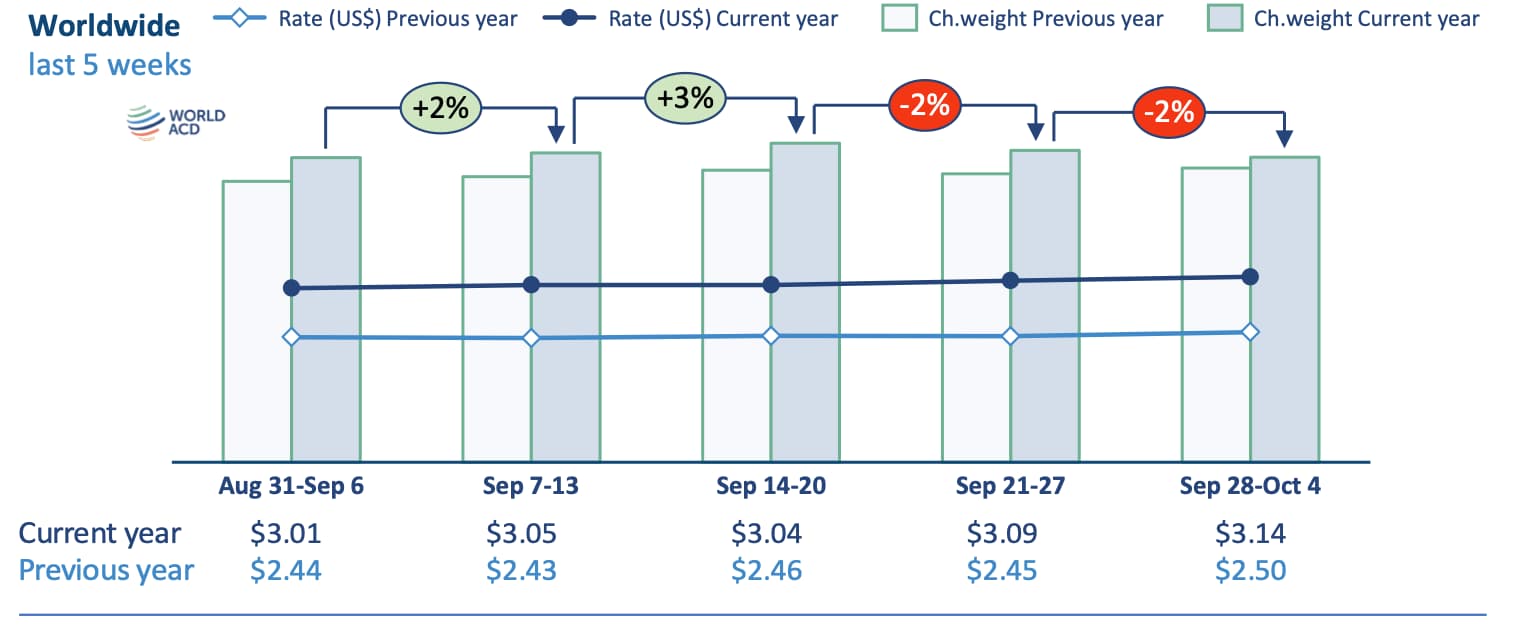
The air cargo market is currently experiencing significant turbulence, characterized by highly volatile tariffs, frequent operational delays, and general market instability. These challenges are further compounded by the unpredictable nature of fuel costs and the recent expiration of de minimis exemptions, which previously offered some relief for low-value shipments.
Despite these headwinds, demand for air cargo services remains robust. However, the confluence of these factors creates a complex environment that necessitates immediate attention from industry stakeholders. The primary challenges revolve around achieving greater agility in pricing, enhancing resilience against disruptions, and securing strategic investments to modernize operations and infrastructure.
For freight forwarders and operations managers, this environment translates into increased complexity in quoting and managing airfreight shipments. Fluctuating tariffs make long-term rate agreements difficult, while delays impact supply chain predictability and customer satisfaction. The end of de minimis exemptions may also lead to higher customs processing costs and transit times for certain e-commerce or low-value goods, requiring forwarders to adjust their customs brokerage strategies and advise shippers accordingly. Capacity management also becomes critical as disruptions can quickly tighten available space, potentially leading to rate spikes or rerouting requirements.