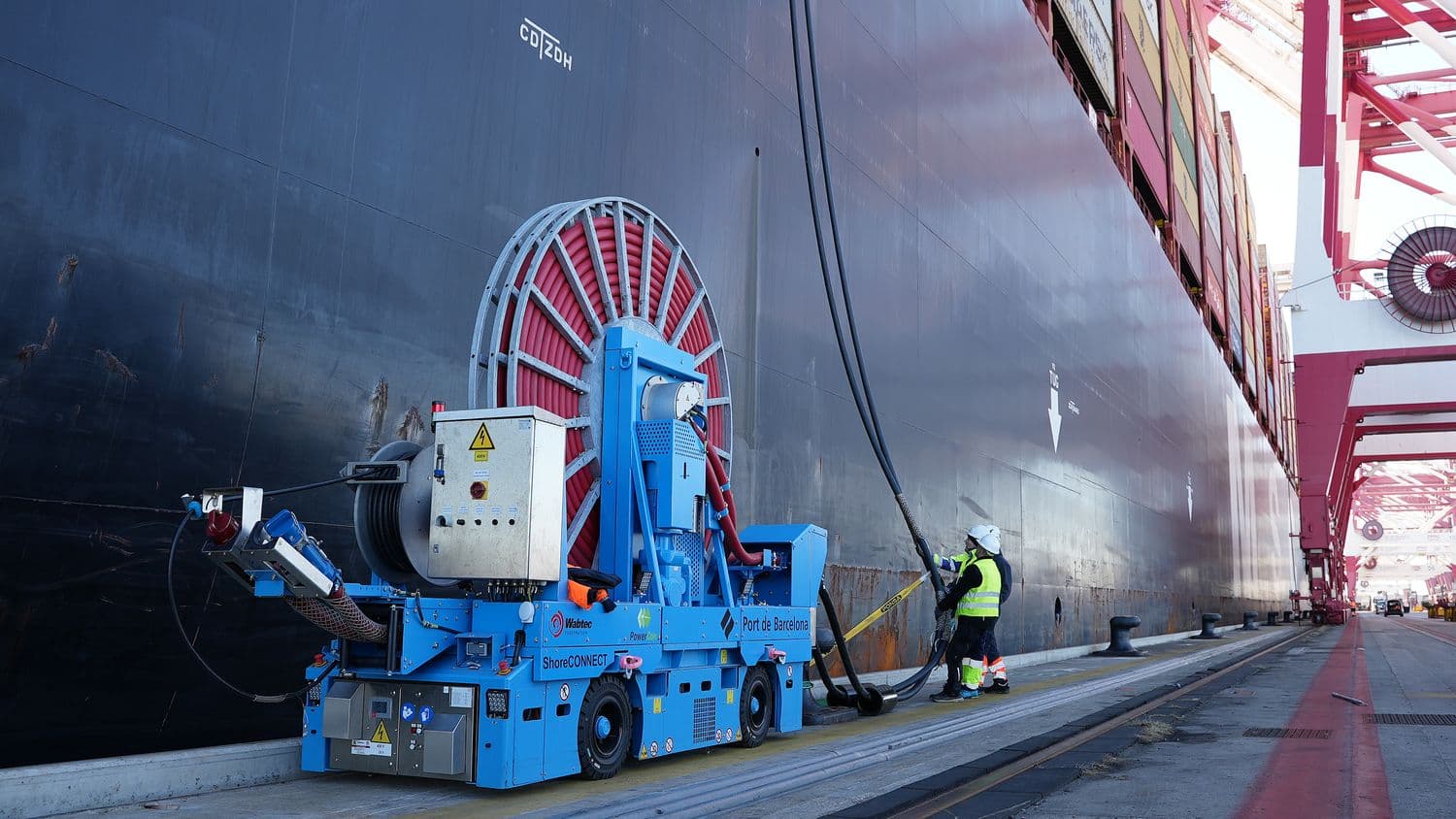
A survey conducted by the European Sea Ports Organisation (ESPO) reveals that Onshore Power Supply (OPS) infrastructure is currently available at 60% of European ports. However, the broader implementation of OPS, also known as cold ironing, faces significant obstacles. Key challenges include constraints within existing electrical grids and a lack of strong commercial demand or viable business models to justify further investment.
For freight forwarders and operations managers, the slow rollout of OPS means that vessels may continue to rely on auxiliary engines while docked, contributing to emissions. This could impact carriers' ability to meet increasingly stringent environmental regulations, potentially leading to surcharges or routing adjustments. The uneven availability of OPS across European ports might also influence port selection for some shipping lines, prioritizing those with robust shore power capabilities to reduce operational costs and environmental footprint.
Addressing these issues will likely require substantial investment in port electrical infrastructure and clearer regulatory frameworks or incentives to drive demand from shipping lines. Without these, the transition to shore power for docked vessels in Europe may remain gradual, affecting the overall sustainability goals of the maritime sector.