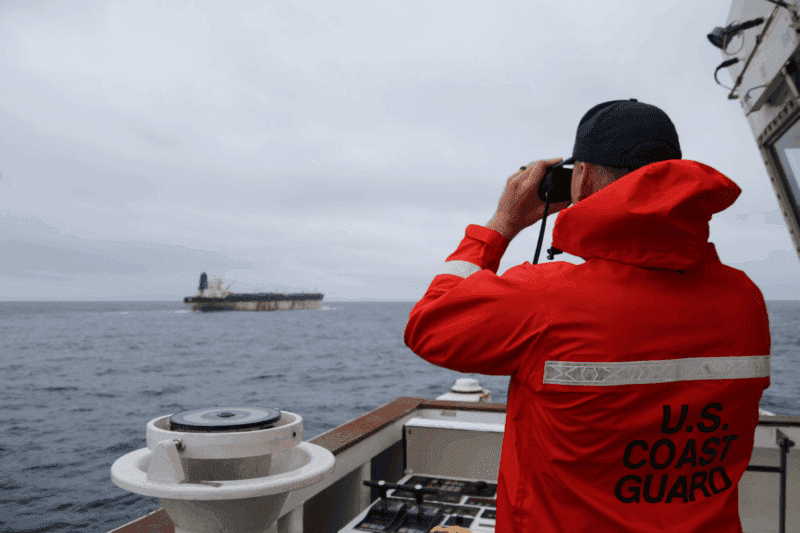
The US Coast Guard and the Federal Bureau of Investigation (FBI) have initiated investigations into suspected cyberattacks targeting oil and gas tankers. This action comes amid escalating worries regarding the potential for malicious actors to interfere with vessels' electronic systems, thereby jeopardizing maritime safety and operational integrity.
This investigation underscores a critical and evolving threat landscape for the shipping industry. As vessels become increasingly reliant on digital systems for navigation, communication, and cargo management, they also become more susceptible to cyber intrusions that could lead to significant disruptions, environmental incidents, or even loss of life.
For freight forwarders and operations managers, this trend signals a need for heightened vigilance regarding cybersecurity protocols across the supply chain. While direct cargo impact from these specific incidents is not detailed, widespread cyberattacks could lead to vessel delays, re-routing, or even temporary operational halts, affecting schedule reliability and potentially increasing insurance premiums. Forwarders should consider the cybersecurity resilience of their carrier partners and the broader maritime infrastructure when planning shipments.
There is no mention in the source of what specific measures might be taken next by the authorities or the industry, beyond the ongoing investigations.