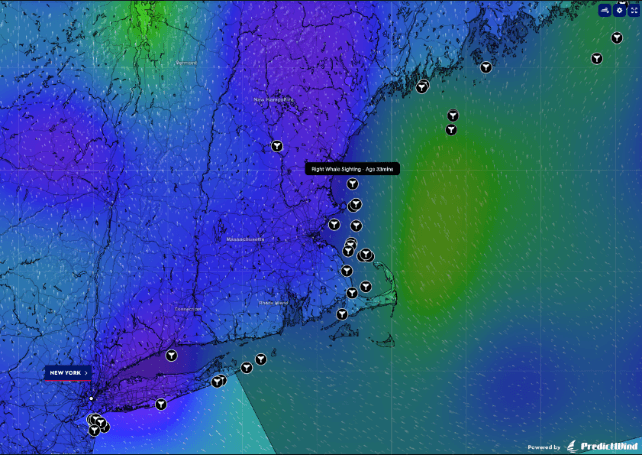
PredictWind has introduced a new "Whale Watch" feature within its navigation platform, designed to assist mariners in avoiding collisions with whales and orcas. This tool provides up-to-date information on the location of these marine mammals, particularly crucial during their migration periods when encounters with vessels are more frequent. The system leverages both reported sightings and acoustic data to offer comprehensive tracking.
Collisions between ships and large whales are a significant cause of mortality for these species globally. With Pacific gray whales migrating south from November to January, and humpback whales moving towards Hawaii, Mexico, and Central America from late autumn through December, the risk of vessel strikes increases considerably. The new feature aims to mitigate this risk by providing actionable intelligence to vessel operators.
For freight forwarders and vessel operators, this development means an additional layer of operational planning, especially for routes traversing known whale migration paths. While primarily impacting smaller vessels and leisure craft, large commercial vessels, including those in liner shipping, may also benefit from enhanced situational awareness. Avoiding protected marine areas or adjusting speeds could become more common practices, potentially influencing transit times and fuel consumption, though the direct impact on major container routes is likely minimal unless specific regulations are enforced. The tool could contribute to better environmental compliance and reduced risk of incidents involving marine wildlife.
PredictWind plans to continuously update the feature with new data sources and refine its predictive capabilities to improve accuracy and coverage.