Recent reports indicate a significant escalation in Panama Canal transit costs, with one shipowner reportedly paying more than $5 million for a single slot. This extreme price is attributed to ongoing drought conditions severely limiting the canal's capacity and the number of daily transits.
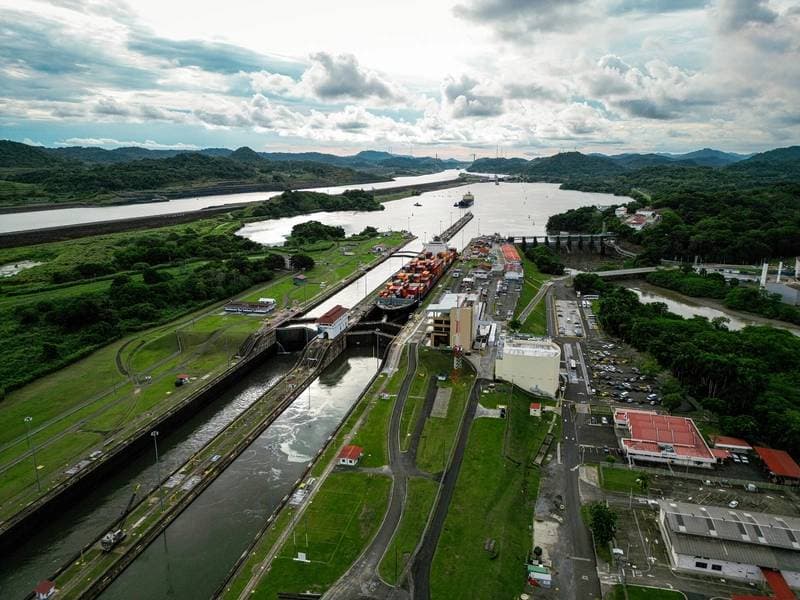
The Panama Canal, a critical global trade artery, has been grappling with reduced water levels in Gatun Lake, which feeds its lock system. This environmental challenge has necessitated restrictions on vessel drafts and daily transits, creating bottlenecks and driving up demand for available slots.
For freight forwarders and shippers, this situation translates directly into higher operational costs and potential supply chain disruptions. Increased transit fees will likely be passed on to customers, impacting overall freight rates, particularly for routes utilizing the canal. Furthermore, reduced capacity could lead to longer waiting times for vessels, affecting schedule reliability and potentially requiring diversions via alternative, longer routes, such as the Suez Canal or around Cape Horn, adding to fuel costs and transit duration. Forwarders should anticipate rate adjustments and plan for potential delays or re-routing strategies.
While the immediate focus is on the current high costs, the long-term outlook suggests that such extreme pricing might become more frequent if drought conditions persist or worsen, necessitating ongoing adjustments to shipping strategies and cost structures.