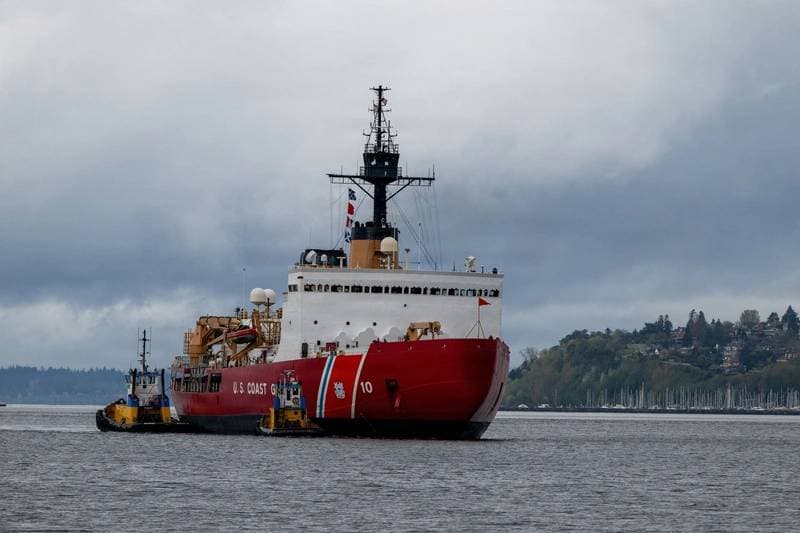
The United States Coast Guard (USCG) is progressing with its strategy to significantly enhance its icebreaking fleet. Current plans involve the acquisition of a new generation of vessels, specifically one to three heavy Polar Security Cutters (PSCs) and up to eleven medium Arctic Security Cutters (ASCs). This expansion is critical for improving the nation's operational capabilities in the Arctic and other ice-prone domestic waterways.
The primary objective behind this fleet modernization is to ensure reliable access for commercial shipping, facilitate the exploration and extraction of seabed resources, protect vital subsea communication cables, and support fisheries operations. The enhanced icebreaking capacity will allow for more consistent and safer transit through challenging icy conditions, which is becoming increasingly important due to growing geopolitical interest and commercial activity in the Arctic.
For freight forwarders and supply chain managers, this development signifies potential improvements in Arctic trade routes and resource logistics. Increased icebreaking capacity could lead to more predictable transit times and reduced risks for shipments destined for or originating from Arctic regions. This could open up new shipping lanes or extend the operational windows for existing ones, impacting routing decisions and potentially reducing transit costs associated with ice-related delays. Furthermore, it supports the long-term viability of resource projects in the region, which often rely on specialized breakbulk and project cargo movements.
The USCG's commitment to this program indicates a strategic focus on maintaining a robust presence and ensuring maritime domain awareness in the high latitudes, which will have lasting implications for both national security and commercial maritime operations.