Demeter Energy, a US-based company, has announced its intentions to establish a biomethanol production and carbon capture facility at Port Manatee, located near Bradenton, Florida. The proposed plant will convert sustainably sourced wood and green waste into approximately 100,000 metric tonnes of low-carbon biomethanol each year. This initiative highlights a growing trend in the logistics sector towards alternative fuels and decarbonization.
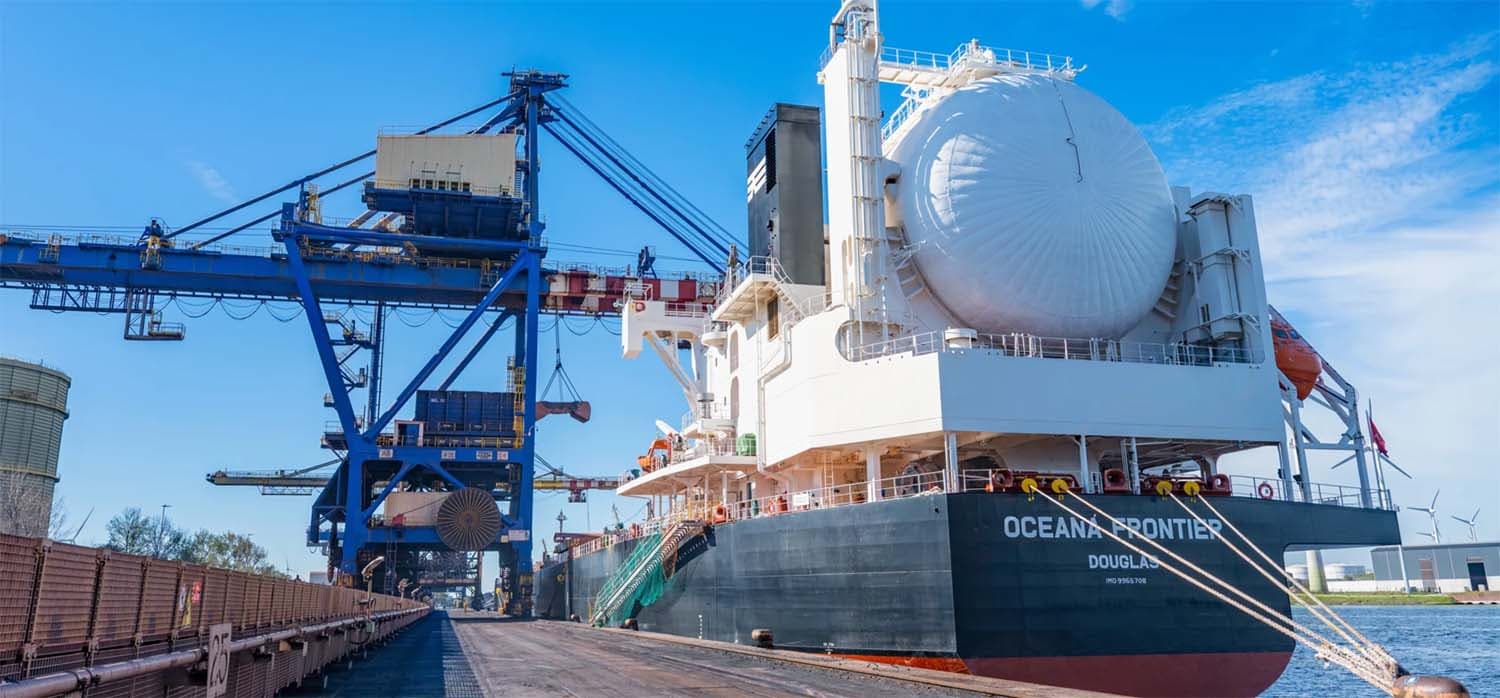
The biomethanol produced at this facility is primarily envisioned as a fuel solution for the global maritime industry, offering a lower-emission alternative to traditional bunker fuels. Additionally, the output could serve as a crucial feedstock for Sustainable Aviation Fuel (SAF) and various chemical manufacturing processes.
For freight forwarders and logistics operations managers, the development of such facilities signifies a potential increase in the availability of alternative marine fuels. This could impact vessel routing decisions, especially for carriers committed to decarbonization targets. While the immediate impact on rates or capacity is not direct, the long-term trend points towards a shift in fuel costs and supply chain requirements as more vessels adopt methanol-powered engines. Forwarders should monitor the scaling of such production to understand future bunkering options and associated costs, which could influence freight pricing and transit times on certain routes.