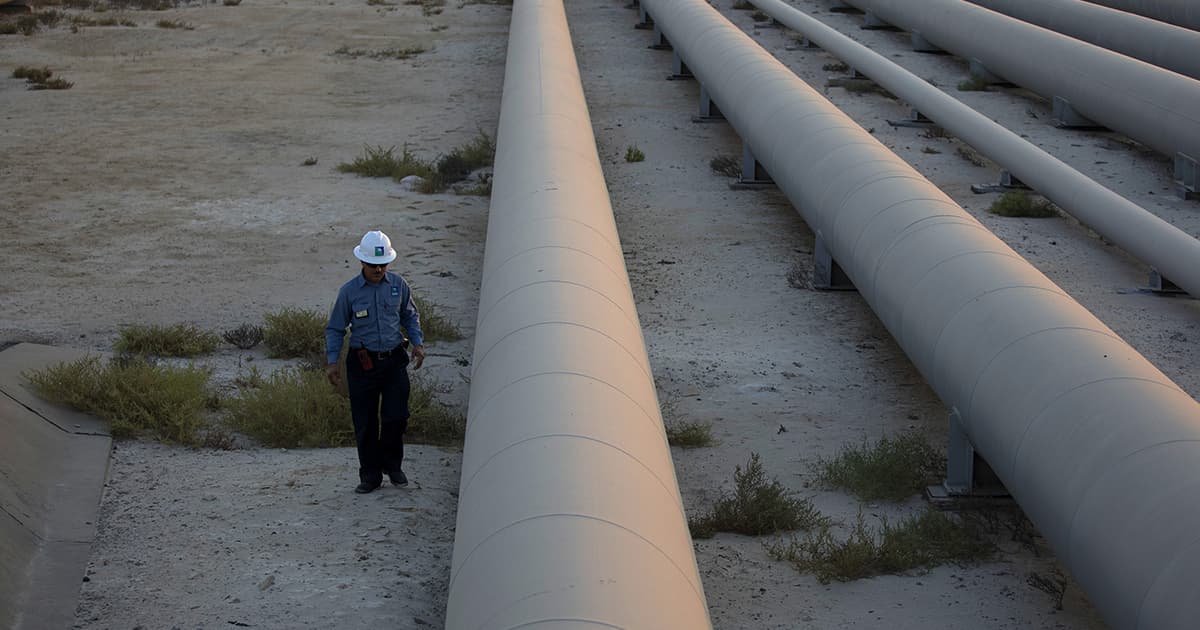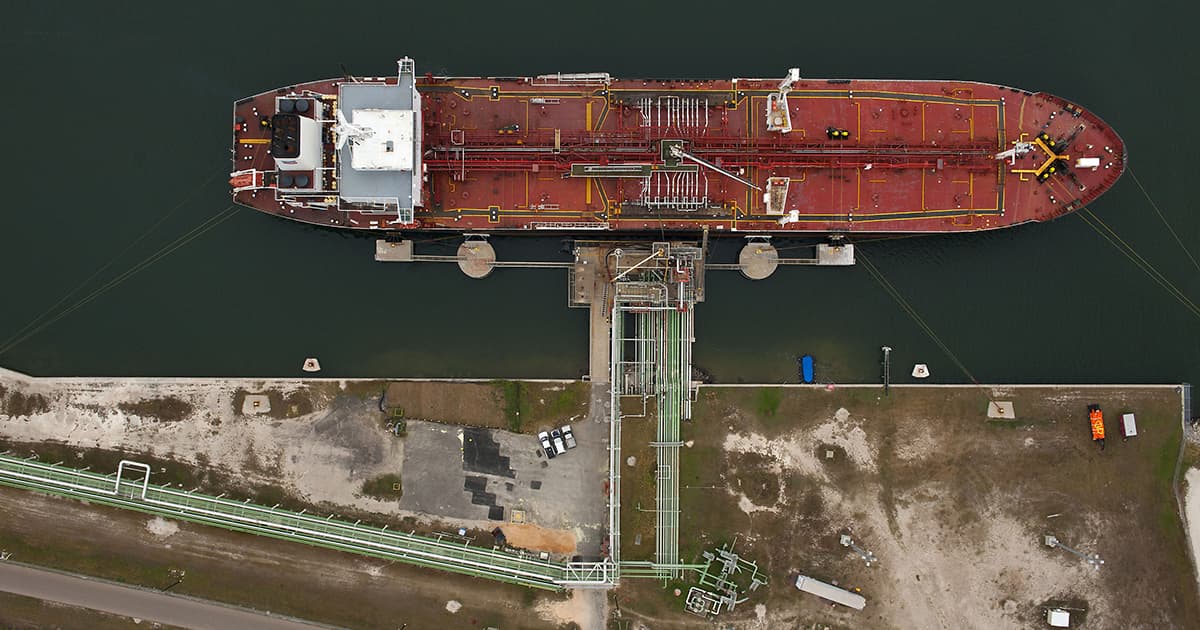
The expense of shipping crude oil from the United States to Asia has escalated to an unprecedented $44.8 million per voyage. This surge in costs is primarily attributed to the shutdown of Saudi Arabia's East-West pipeline, which has amplified the importance of US oil supplies in the global market. Despite these significantly higher shipping rates, demand from Asian purchasers for American crude remains robust.
For freight forwarders and operations managers involved in energy logistics, this situation signals a period of sustained high tanker rates for crude oil movements from the US to Asia. The increased reliance on seaborne transport due to pipeline disruptions means that vessel availability and scheduling will be critical. Forwarders should anticipate potential volatility in freight pricing and allocate sufficient lead time for bookings, especially for clients in the oil and gas sector. The shift could also impact port congestion at loading and discharge points if vessel traffic increases significantly.