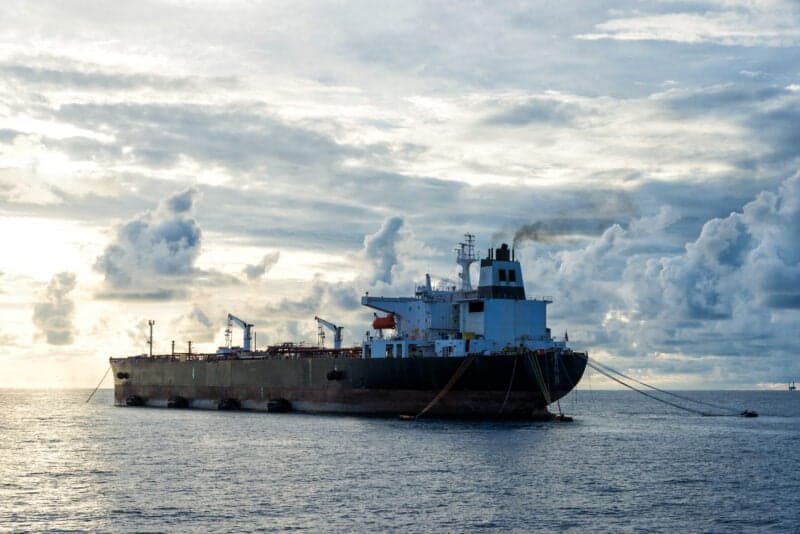
Japan is currently in discussions with Iranian entities regarding the potential resumption of oil imports, facilitated by a U.S. sanctions waiver. This move follows a period where Iranian oil sales were restricted due to international sanctions. However, prospective Japanese buyers are seeking extended validity for the waiver and assurances regarding the safety of vessels transporting the crude.
This development comes as the global energy market navigates various geopolitical complexities. The U.S. sanctions on Iran have significantly impacted its oil exports, and any partial lifting or waivers are closely watched by energy-importing nations like Japan, which historically relied on Iranian crude.
For freight forwarders and shippers, the potential return of Japanese buyers to the Iranian oil market could have several implications. Increased demand for tankers on routes from the Persian Gulf might affect vessel availability and drive up charter rates. Furthermore, ongoing concerns about maritime security in the region, particularly related to the Strait of Hormuz and the broader Persian Gulf, mean that war risk insurance premiums for these voyages could remain elevated. Forwarders would need to carefully assess these additional costs and potential transit risks when planning shipments involving this trade lane. The duration and scope of the U.S. waiver will be critical in determining the long-term viability and stability of such trade.
The outcome of these negotiations, particularly concerning the waiver's length and security guarantees, will dictate the extent to which Japanese companies re-engage with Iranian oil suppliers.