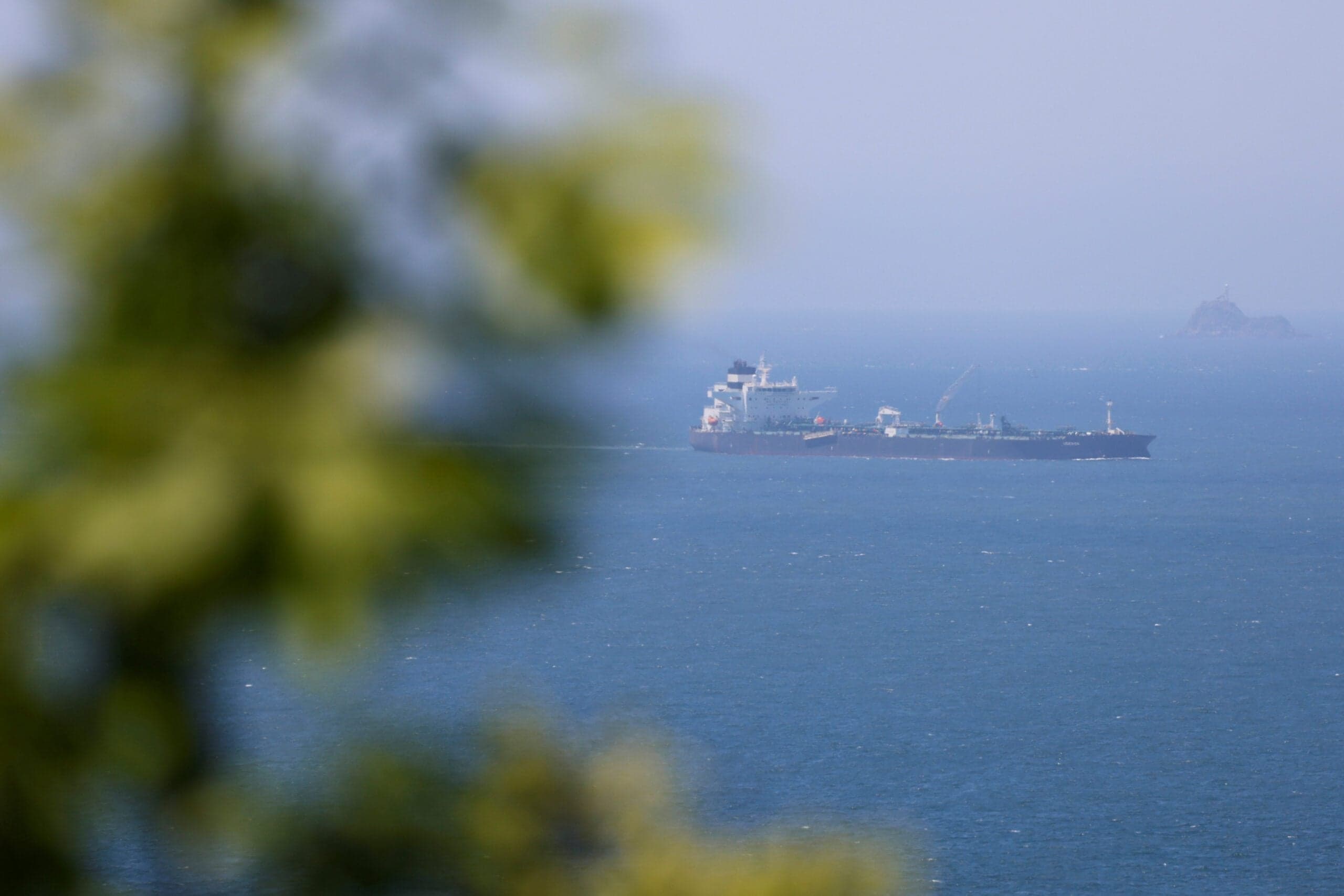
China has publicly called for the unhindered flow of international shipping traffic through the Strait of Hormuz. This statement comes as several prominent European countries are reportedly preparing to accept the imposition of transit fees by Iran and Oman for vessels using the strait. The potential introduction of these fees could significantly impact global maritime trade, particularly for oil and gas shipments that frequently pass through this vital chokepoint.
For freight forwarders and supply chain managers, the acceptance of transit fees in the Strait of Hormuz would represent an additional cost factor in their operational planning. These fees would likely be passed on to shippers, potentially increasing freight rates for cargo moving through or originating from the Persian Gulf region. This could affect the competitiveness of certain trade lanes and necessitate adjustments in budgeting and pricing strategies. Furthermore, any new regulatory or financial burdens in such a critical waterway could introduce complexities in route planning and risk assessment.