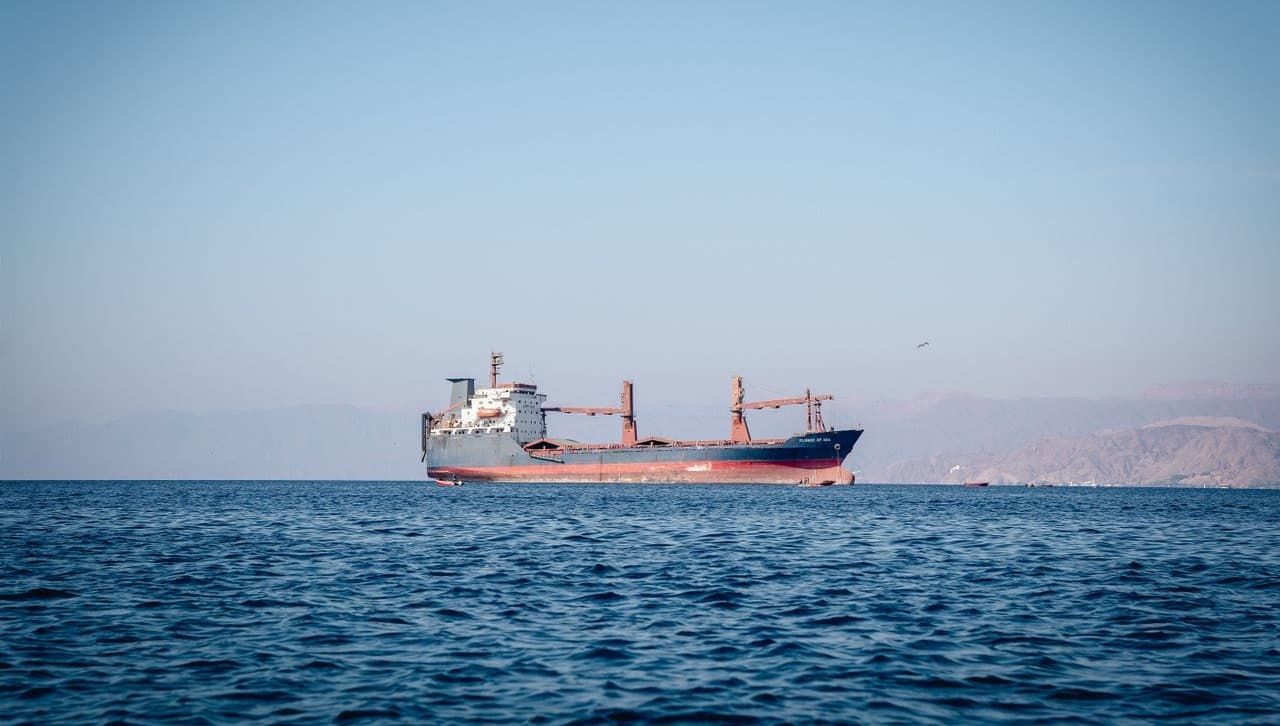
Maritime activity in the Strait of Hormuz has seen an uptick as a fragile ceasefire takes hold in the region. Despite this increase in vessel movements, a significant humanitarian issue persists, with more than 8,000 seafarers reportedly still stranded on vessels.
The ongoing geopolitical tensions and the precarious nature of the ceasefire are creating a volatile environment for global oil markets. There is a dual concern among analysts: the possibility of an oil glut if stability holds, contrasted with the risk of renewed supply shocks should the ceasefire collapse. For breakbulk and project cargo operators, this translates into continued operational challenges, including the need to brace for potentially volatile transits and elevated insurance premiums for voyages through the critical waterway.
For freight forwarders and operations managers, the situation in the Strait of Hormuz means continued vigilance regarding transit times and potential delays. The elevated insurance costs for vessels passing through this region will likely be factored into freight rates, impacting overall shipping expenses for cargo moving to and from the Middle East. Forwarders must also monitor the political stability closely, as any breakdown in the ceasefire could lead to severe disruptions, including vessel diversions or increased security risks, directly affecting shipment planning and execution.