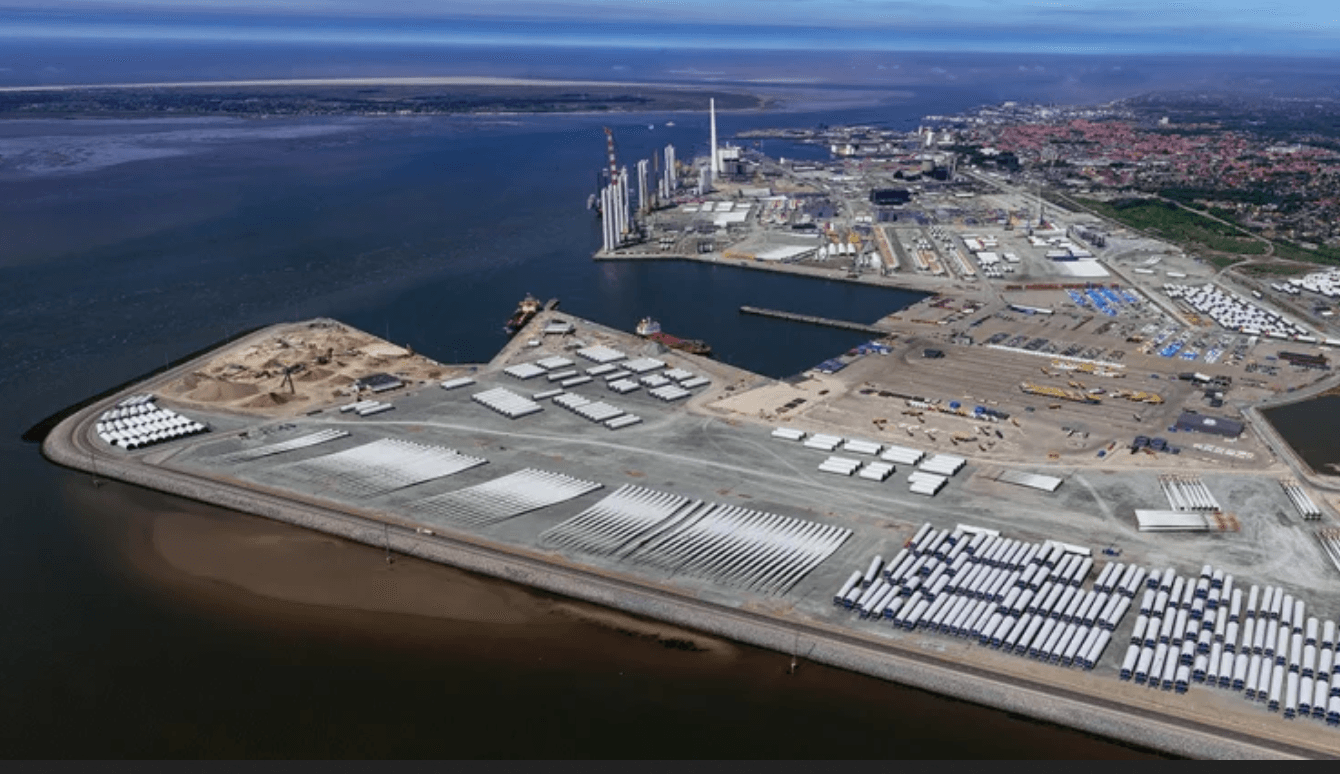
Port Esbjerg in Denmark is anticipating substantial growth as the country's offshore wind sector experiences a strong rebound. This renewed activity, marked by new tenders, is expected to solidify Esbjerg's position as a critical energy hub for Northern Europe. The port's strategic location and existing infrastructure make it well-suited to support the increasing demands of North Sea energy projects.
The port's future development is closely tied to the broader energy transition in the region. This includes not only the expansion of offshore wind farms but also the evolving requirements for grid infrastructure. Furthermore, Esbjerg is exploring new opportunities in the burgeoning fields of hydrogen production and carbon capture and storage (CCS), which are integral to achieving decarbonization goals.
For freight forwarders and logistics professionals, this development signals a potential increase in project cargo volumes, particularly for heavy-lift components associated with wind turbines and energy infrastructure. Forwarders should monitor tender announcements and project timelines to anticipate demand for specialized transport services, including sea, road, and potentially rail for oversized components. The focus on hydrogen and CCS could also lead to new logistics requirements for industrial gases and specialized equipment. Capacity and port services at Esbjerg may see increased utilization, potentially impacting lead times and costs for related projects.