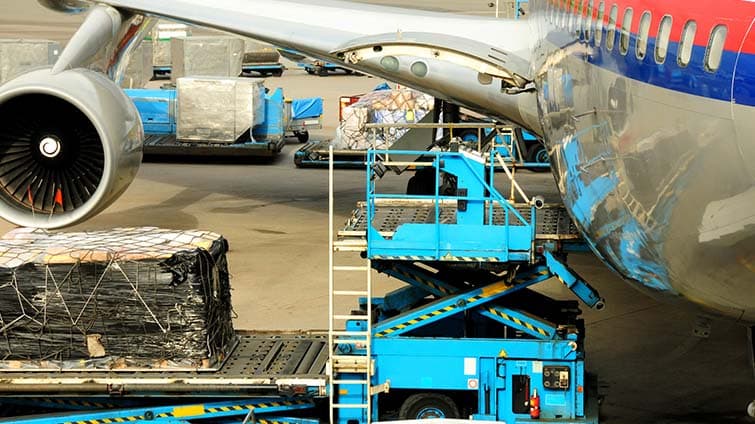
Airfreight capacity is experiencing a recovery in certain markets, with July showing improvements. This positive trend is attributed to the stabilization of belly hold capacity on passenger aircraft and the incremental enhancement of freighter schedules. Notably, Middle Eastern carriers have significantly restored their connectivity from the Indian Subcontinent.
For freight forwarders and operations managers, this capacity recovery presents a mixed bag of opportunities and challenges. While increased space is generally welcome, the critical question remains whether this translates into practical relief for booking cargo on the specific lanes, origins, and departure times where shippers most need to move goods. Forwarders will need to carefully assess available capacity against specific client demands, as the recovery may not be uniform across all trade lanes. This could lead to more complex routing decisions and potentially competitive pricing on newly available routes.
Looking ahead, the industry will monitor if this capacity improvement can be sustained and if it will lead to a more balanced supply-demand environment, potentially impacting air cargo rates and transit times.