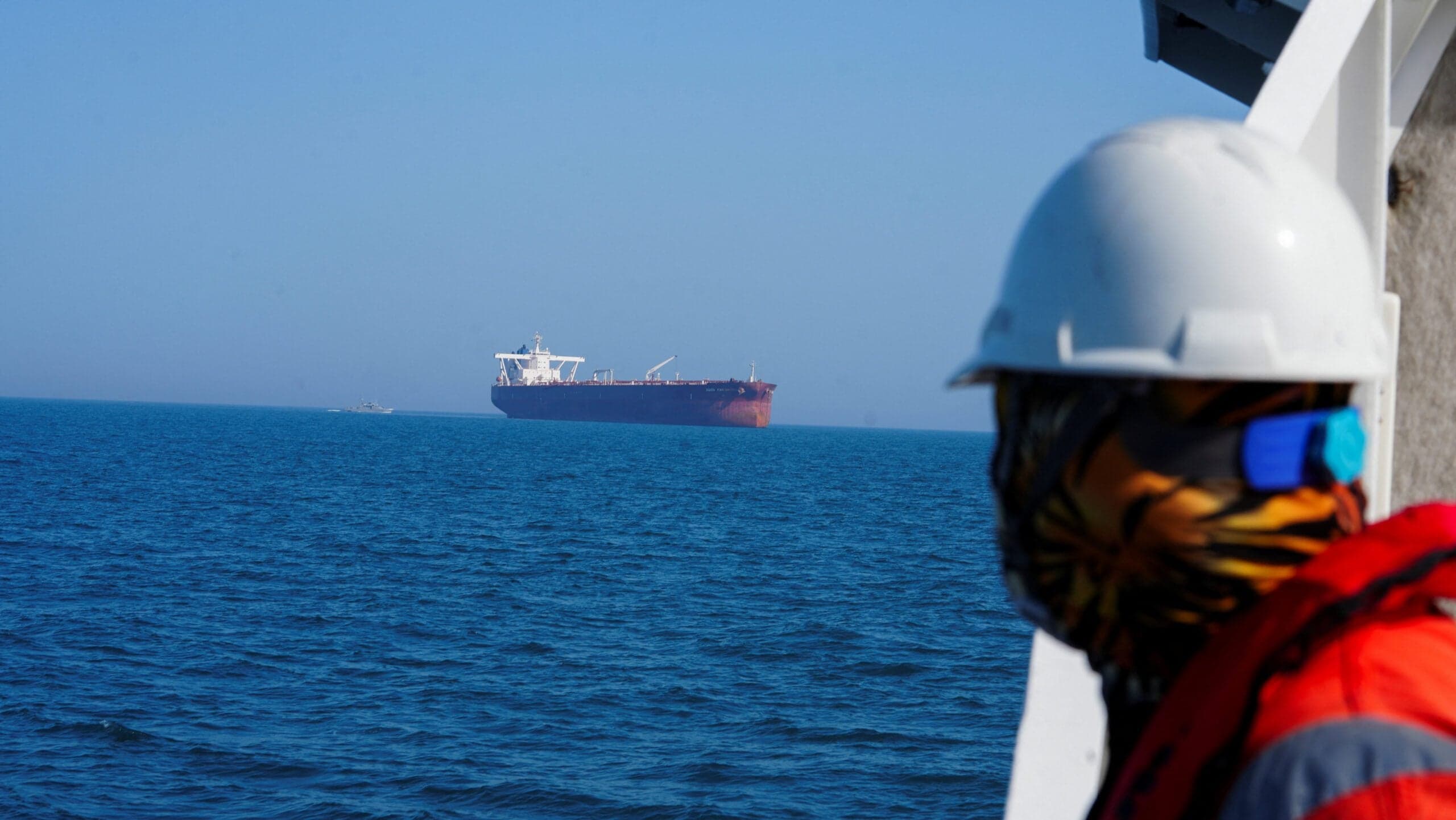
The global marine insurance industry has expressed cautious approval of recent diplomatic initiatives focused on the Strait of Hormuz. This vital waterway, crucial for global energy shipments, continues to be a point of geopolitical tension, leading to uncertainty regarding its operational management and the associated risks.
The context for this development is the ongoing need to ensure safe passage through the Strait, which is frequently subject to heightened security concerns. The involvement of political leaders in de-escalation talks is seen as a positive step towards stabilizing the region and potentially reducing the financial burden on maritime trade.
For freight forwarders and shippers, the situation in the Strait of Hormuz has direct implications for operational costs and route planning. Elevated war risk premiums, imposed by insurers due to perceived threats, increase the overall cost of transporting goods through this area. Any move towards a more stable environment or a peace deal could lead to a reduction in these premiums, thereby lowering shipping expenses. This would offer greater predictability for supply chains and potentially allow for more competitive pricing on routes utilizing the Strait. Conversely, continued uncertainty necessitates careful risk assessment and potentially higher insurance outlays, which must be factored into freight quotes.
While the article does not specify immediate next steps, the continued diplomatic engagement suggests an ongoing effort to secure the Strait and mitigate risks. Forwarders should monitor these developments closely for potential shifts in insurance costs and operational advisories.