Y
YLOAD News
LIVE
mediumOcean Freight· 126d

Stranded Oil Tankers Depart Strait of Hormuz, Increasing Global Supply

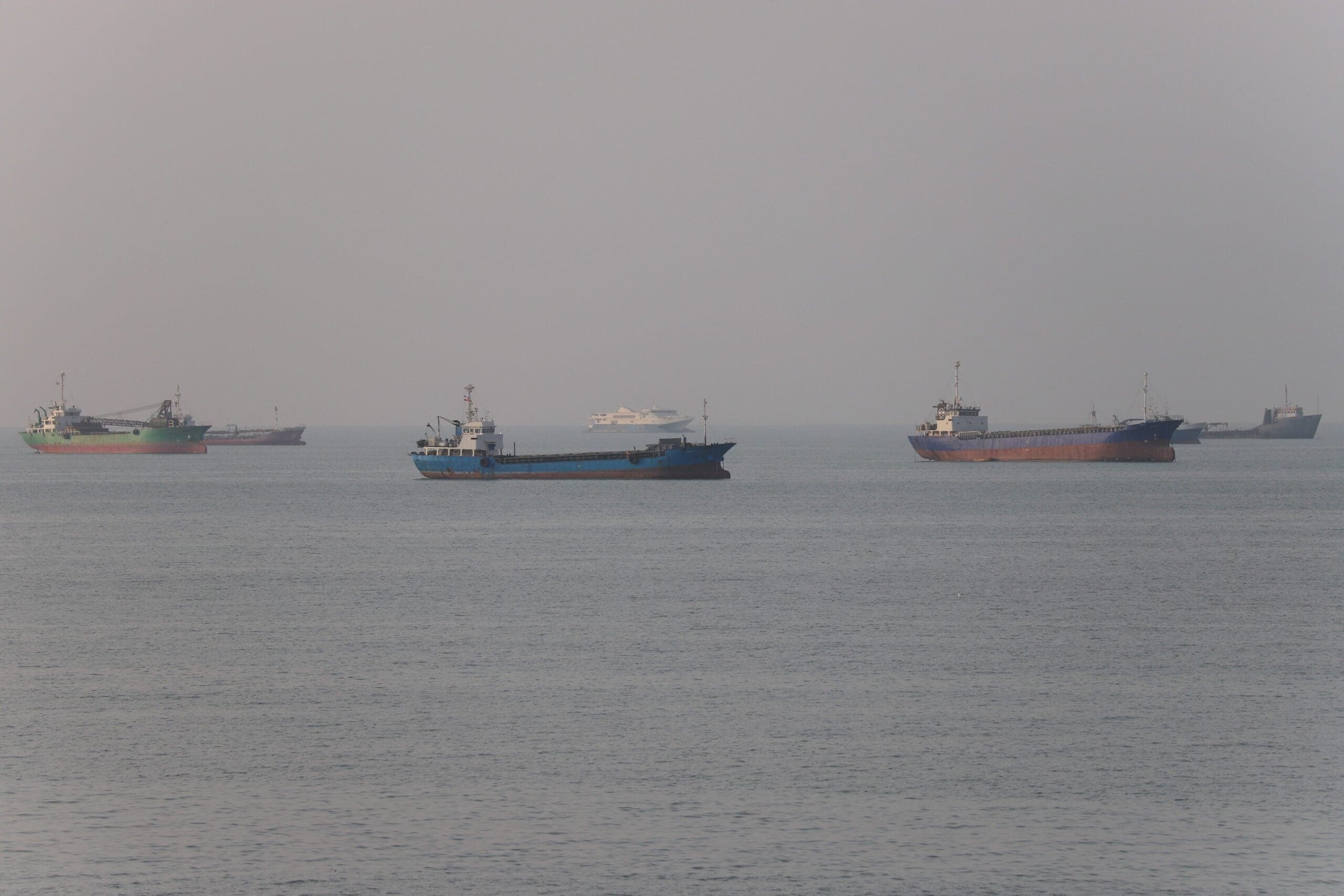
Three oil tankers, carrying approximately 5 million barrels of crude, have exited the Strait of Hormuz. This movement follows an interim agreement between Iran and the U.S., releasing previously stranded supply and contributing to a decrease in global oil prices. Two vessels…

YN
YLOAD News Desk
Published June 24, 2026 at 05:13 PM UTC
Source: gCaptain
Stranded Oil Tankers Depart Strait of Hormuz, Increasing Global Supply
Y
Built for forwarders
Quote, dispatch, track and invoice in one place with YLOAD 360.

The TMS built for international freight forwarders — same vocabulary as the news you’re reading.

Try YLOAD 360

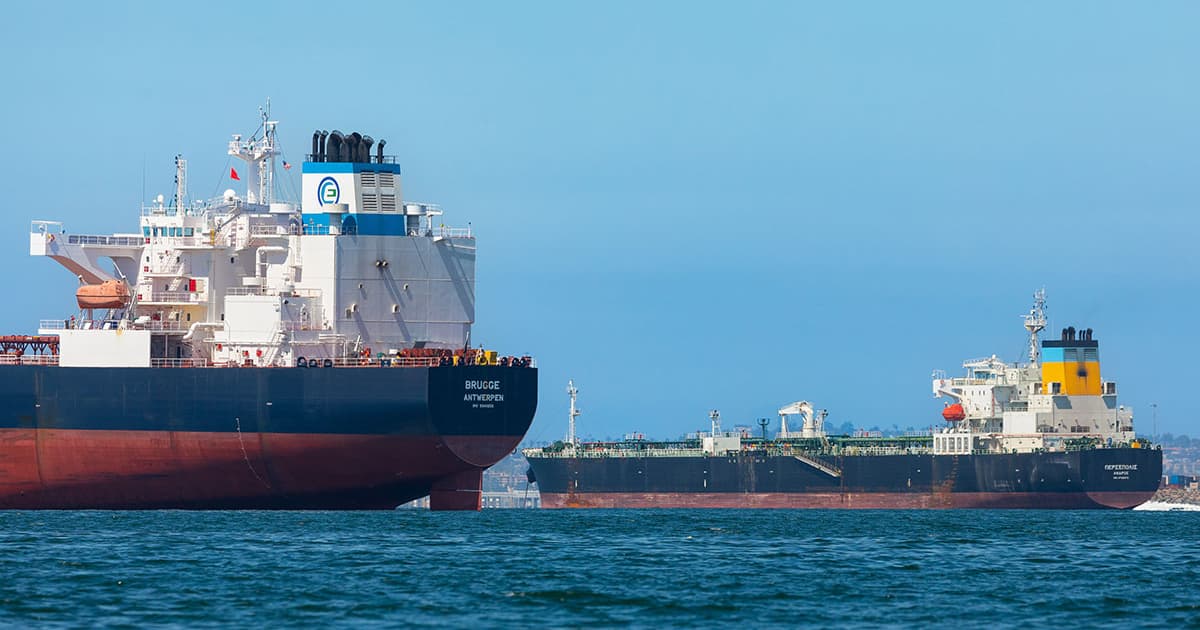
Three oil tankers, collectively holding about 5 million barrels of crude, have recently left the Strait of Hormuz. This development is attributed to an interim agreement reached between Iran and the United States, which has facilitated the release of oil supplies that were previously held up in the Gulf region. The departure of these vessels is expected to add to the global oil supply, potentially influencing a reduction in international oil prices. Shipping data indicates that two of these tankers are headed towards Asian markets.

For freight forwarders and operations managers, this release of crude oil into the market could lead to a slight softening of bunker fuel prices in the medium term, as global oil supply increases. While the immediate impact on container shipping rates is indirect, a sustained decrease in crude prices generally translates to lower operational costs for carriers, which could eventually be passed on to shippers. Forwarders should monitor bunker price trends and potential shifts in carrier surcharges.

Original source
G
gCaptain
June 24, 2026 at 05:13 PM UTC
gcaptain.com
Read at gCaptain
This summary was condensed by the YLOAD News editorial system from the original reporting by gCaptain. Read the original at the link above for full context, figures and quotes. See our methodology for details.
Related coverage