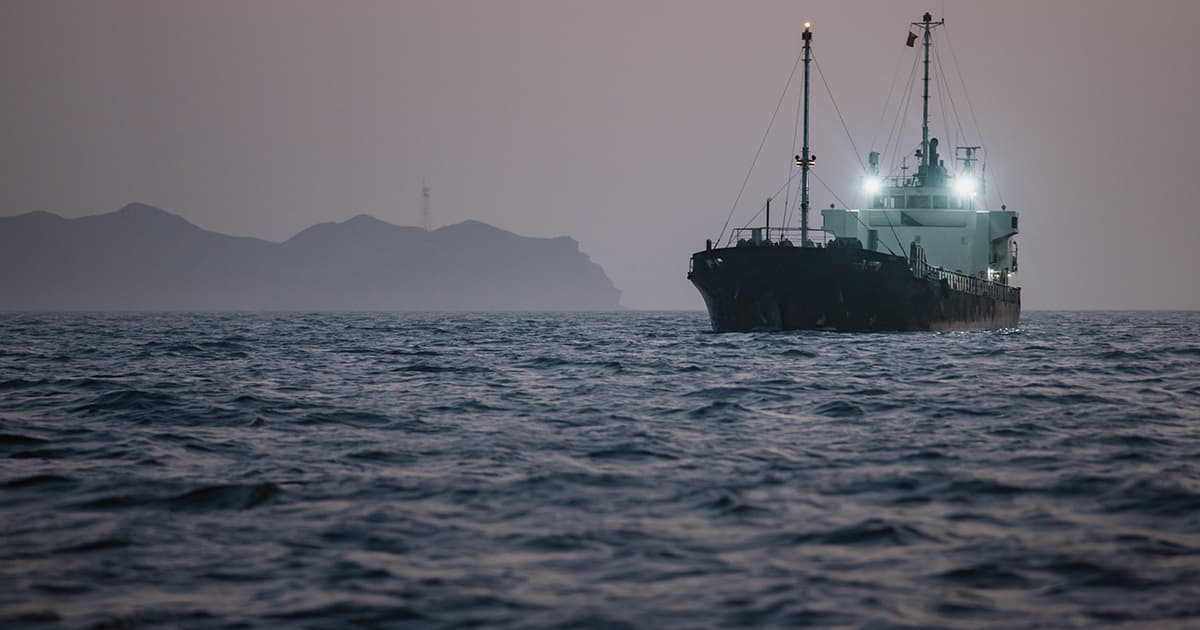
The recent reopening of the Strait of Hormuz has resulted in a substantial influx of oil into global markets. This increased supply has particularly affected European and Asian markets, where buyers are now facing an oversupply of cargo offers, leading to a weakening of prices.
For freight forwarders and operations managers, this situation primarily impacts the tanker market. Increased supply could initially lead to higher demand for crude oil tankers, but if the oversupply persists, it might eventually depress freight rates as charterers gain more leverage. Shippers of oil and related products may find more competitive rates for transportation, while those managing supply chains for energy-intensive industries could see a stabilization or reduction in their raw material costs. The geopolitical stability implied by the Strait's reopening also reduces transit risks and associated insurance premiums.