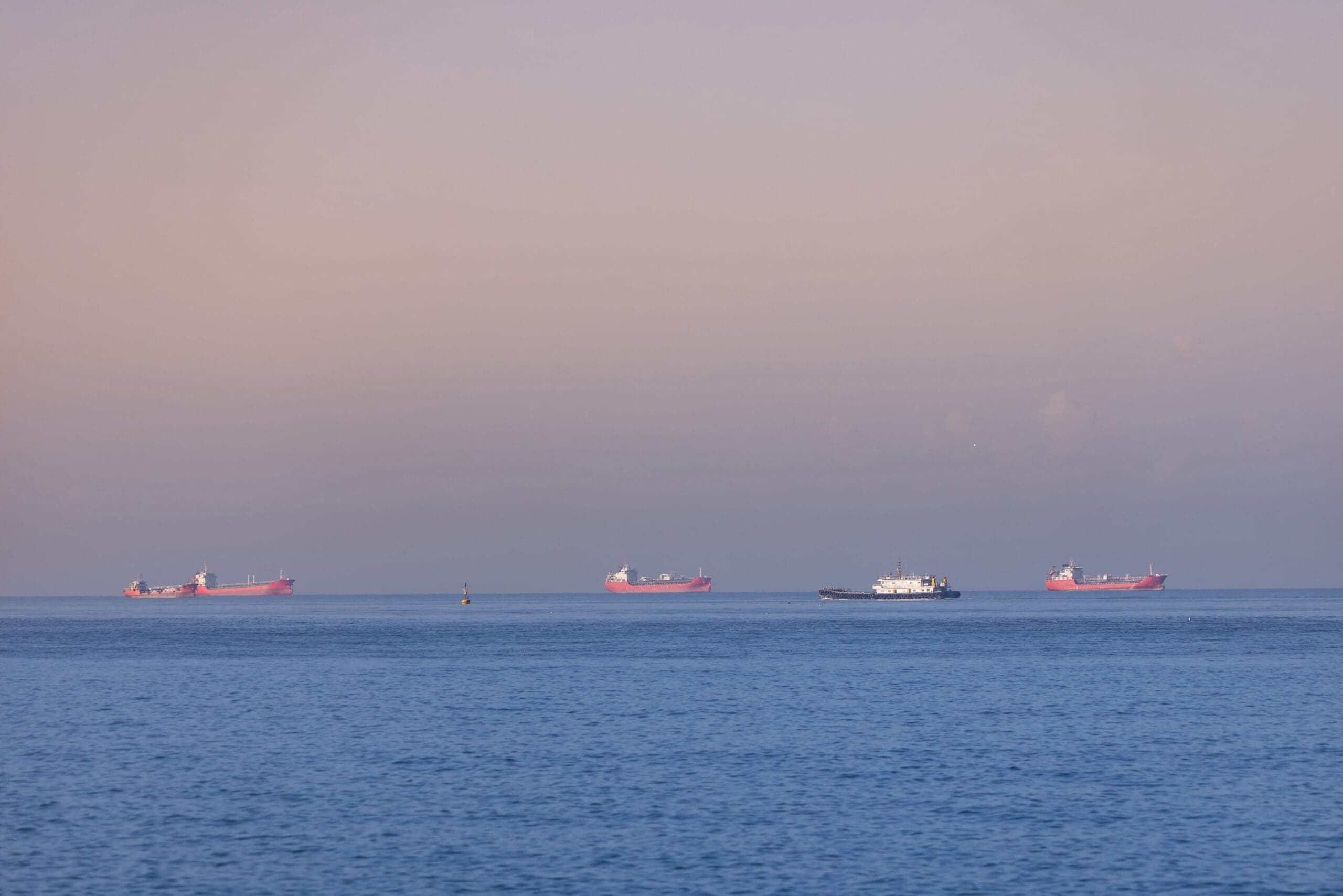
The International Maritime Organization (IMO) has issued a directive for thousands of vessels currently located in the Persian Gulf to stay put and await further instructions. This measure is part of a broader effort to evacuate numerous seafarers who have been trapped in the region for several months.
This situation stems from ongoing tensions and security concerns in the Persian Gulf, particularly around the Strait of Hormuz, which have led to operational complexities and safety risks for maritime traffic. The prolonged stranding of seafarers highlights the severe impact of geopolitical events on global shipping operations and crew welfare.
For freight forwarders and operations managers, this development signifies potential widespread delays and disruptions to vessel schedules in and out of the Persian Gulf. Shippers with cargo on these vessels should anticipate extended transit times. Forwarders may need to explore alternative routing options or prepare for increased demurrage and detention charges. The focus on crew evacuation also suggests heightened security risks in the area, which could lead to increased war risk premiums for future voyages through the Strait of Hormuz, impacting overall freight costs and insurance liabilities.
Further instructions from the IMO are expected, which will likely detail the evacuation process and provide guidance on when normal shipping operations might resume or how vessels will be cleared to proceed.