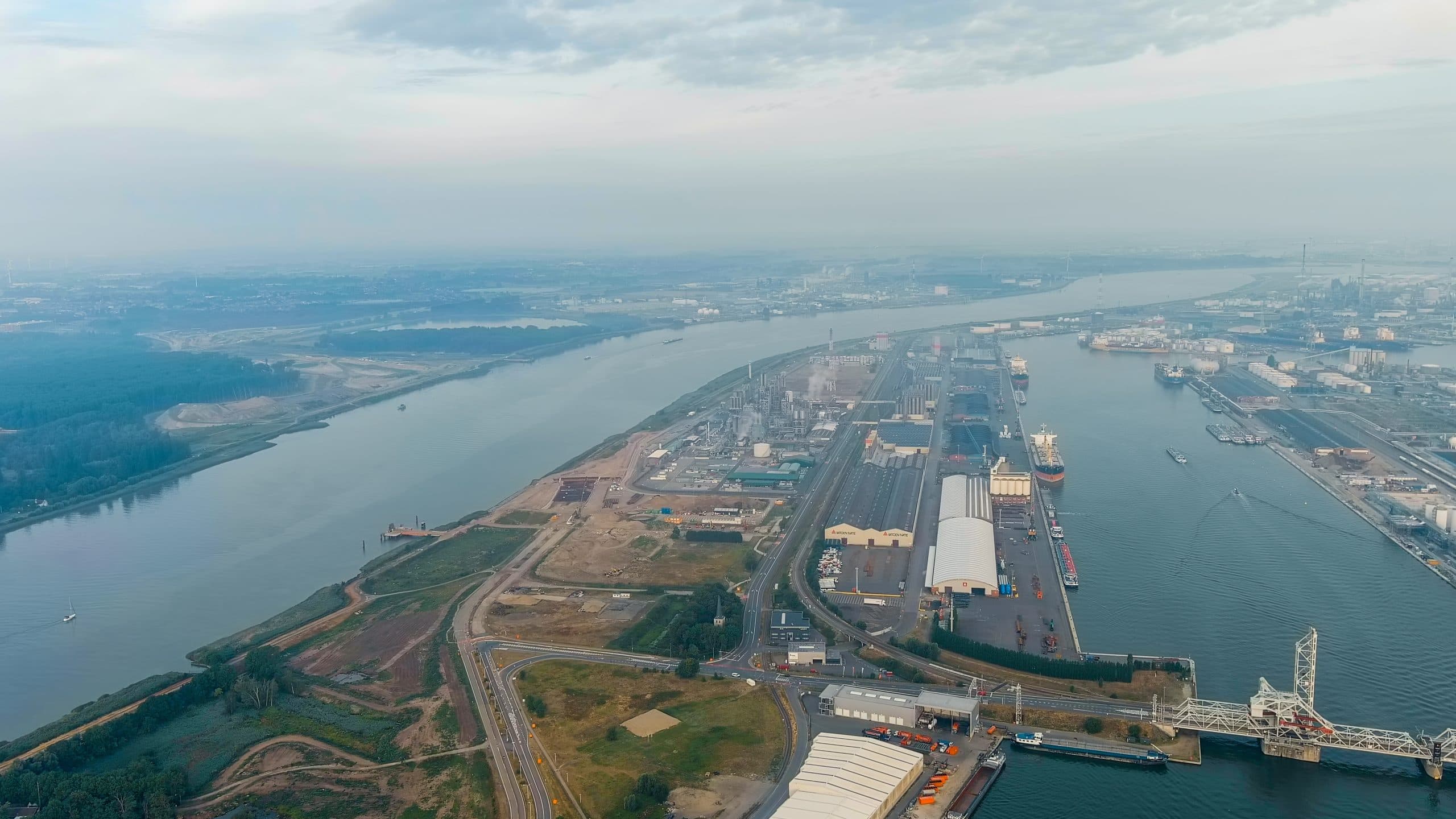
The Dutch Public Prosecution Service (OM) has requested significant penalties for three former managing directors of Bulk Terminal Zeeland (BTZ), a transhipment company located in the port of Vlissingen. The prosecution is seeking 12-year prison sentences and individual fines of 75,000 euros for each of the accused, who range in age from 45 to 58.
This case centers on allegations of large-scale cocaine trafficking, implicating the former leadership of a key logistics facility within the port. The investigation and subsequent legal proceedings underscore the persistent efforts by criminal organizations to exploit legitimate supply chain infrastructure for illegal activities.
For freight forwarders and logistics operators, this incident serves as a stark reminder of the security risks present within port environments. It emphasizes the importance of robust internal controls, enhanced due diligence on partners and personnel, and strict adherence to security protocols to prevent cargo crime and the infiltration of illicit goods. Such high-profile cases can lead to increased scrutiny and potentially stricter regulations at ports, affecting operational efficiency and compliance requirements for all stakeholders. The involvement of senior management in such schemes can also damage the reputation of the logistics sector and erode trust among legitimate businesses.
The outcome of this trial will likely influence discussions around port security measures and the accountability of terminal operators in combating drug smuggling through maritime gateways.