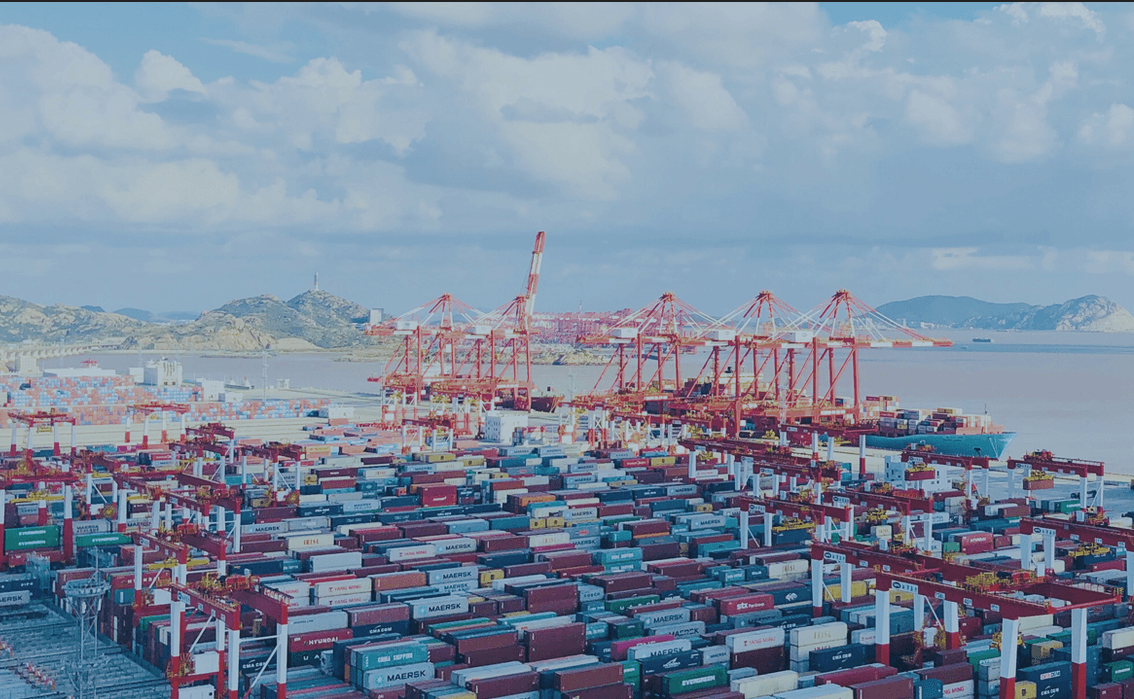
Port congestion has intensified, now impacting 11% of the global container shipping fleet. This widespread disruption is causing severe delays, particularly in key regions such as North Asia and major European ports, including Rotterdam. The analytical firm Linerlytica has highlighted these significant bottlenecks.
This elevated level of congestion is a primary factor behind recent increases in freight rates across multiple trade lanes. Carriers like Maersk and Hapag-Lloyd are experiencing these operational challenges, which in turn affect pricing on routes covered by the SCFI (Shanghai Containerized Freight Index).
For freight forwarders and operations managers, this means continued pressure on capacity and potentially higher shipping costs. Shippers should anticipate longer transit times and potential surcharges due to vessel delays and port inefficiencies. Proactive communication with carriers and exploring alternative routing options may be necessary to mitigate impacts on supply chain schedules and budgets.