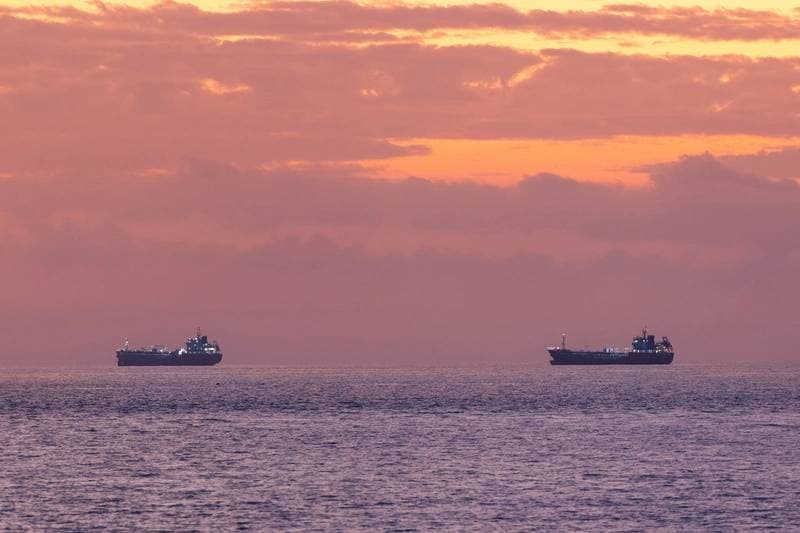
Two Chinese-flagged supertankers, laden with a combined four million barrels of Saudi Arabian crude oil, have successfully departed the Red Sea. Their transit through the Bab el-Mandeb strait marks a significant event given recent threats by Yemen's Houthi rebels to disrupt Saudi oil exports in the region.
This development underscores the persistent geopolitical risks impacting critical maritime choke points. The Houthis have previously targeted shipping in the Red Sea, particularly vessels linked to Israel, the US, or the UK, in response to the Gaza conflict. While these specific tankers were Chinese, the general threat level remains high for all commercial shipping navigating these waters.
For freight forwarders and shippers, this incident reinforces the need for continuous monitoring of the Red Sea and Bab el-Mandeb strait. The potential for disruptions, including blockades or attacks, can lead to increased war risk premiums, rerouting decisions, and significant delays for cargo. While these tankers completed their journey, the underlying instability means that supply chain planners must factor in potential volatility for routes through this area, especially for oil and other critical commodities. The ongoing situation could influence carrier choices and insurance costs.
No immediate information was available regarding specific future actions by the Houthis or any changes in shipping patterns beyond this particular transit.