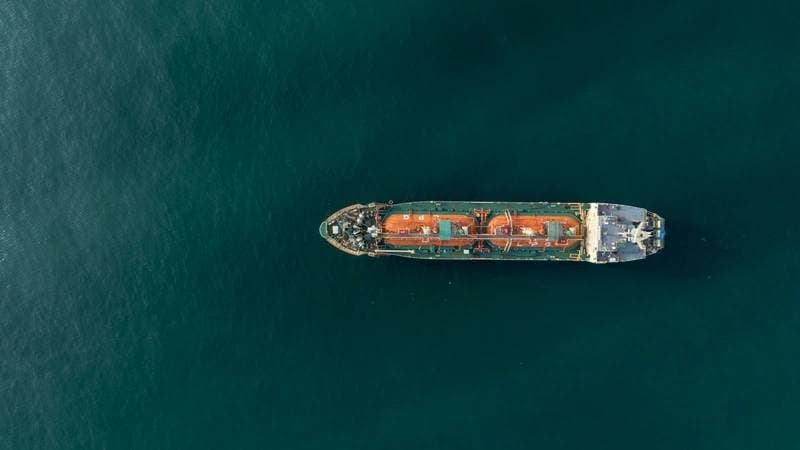
Two oil tankers transporting Saudi crude to Asian destinations changed their routes in the Red Sea on Tuesday. This diversion occurred after threats were issued by the Iran-aligned Houthi group in Yemen. The incident underscores the increasing instability and disruption to maritime traffic in key Middle Eastern energy chokepoints.
For freight forwarders and operations managers, this event signifies continued volatility in Red Sea transits. Such diversions can lead to longer transit times, increased fuel consumption, and potentially higher war risk insurance premiums, impacting overall shipping costs and schedule reliability for cargo moving between Asia and Europe or the Middle East. Shippers should anticipate potential delays and factor in additional operational expenses for routes affected by regional tensions.
The situation remains fluid, with ongoing geopolitical tensions in the region influencing maritime security and routing decisions for commercial vessels.