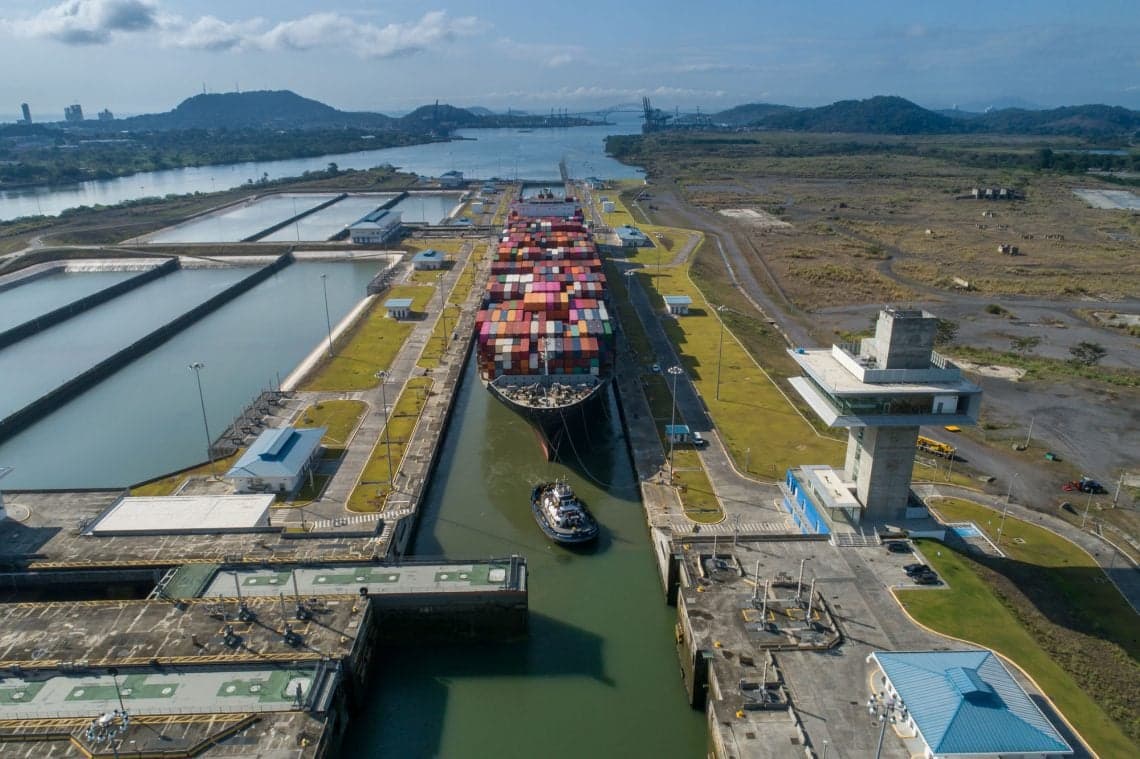
The Panama Canal Authority (ACP) has announced a reduction in available vessel booking slots, a direct consequence of ongoing water supply challenges. This decision introduces a new layer of complexity for global trade, which is already grappling with prolonged disruptions in the Middle East, particularly the Red Sea crisis. The curtailment of booking slots at the Panama Canal is expected to impact shipping schedules and potentially increase transit times for vessels utilizing this vital waterway.
For freight forwarders and operations managers, this development signifies potential delays and a need to reassess routing strategies for cargo moving between the Atlantic and Pacific oceans. Reduced capacity through the canal could lead to longer queues, increased waiting times, and a possible surge in demand for alternative routes, such as the Suez Canal, or even intermodal options. This situation may also contribute to higher freight rates on affected trade lanes as carriers adjust to the operational constraints and potential fuel surcharges for longer voyages.
Shippers should anticipate possible disruptions to their supply chains and consider diversifying their logistics plans to mitigate risks associated with the Panama Canal's reduced capacity. Proactive communication with carriers and forwarders will be crucial to manage expectations and explore alternative solutions.