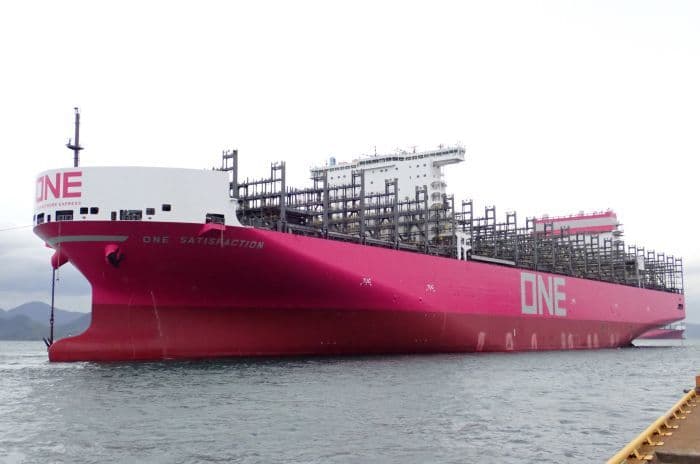
Shipping data indicates that trade lanes most affected by the ongoing Red Sea diversions and the volatile situation in the Strait of Hormuz are projected to receive a substantial portion of new container ship deliveries in 2026. This strategic deployment of fresh capacity is intended to counteract the operational challenges posed by extended transit times and voyage delays that have become commonplace on these routes.
For freight forwarders and operations managers, this development suggests a potential easing of capacity constraints on key East-West trade lanes, particularly those connecting Asia with Europe and the Middle East. While the immediate impact on freight rates is uncertain, a significant increase in vessel supply could eventually lead to more stable pricing and improved schedule reliability. However, the effectiveness of this new capacity will depend on the persistence and severity of geopolitical disruptions. Forwarders should monitor these deliveries and their deployment closely, as they could influence routing decisions and contract negotiations for future shipments.