A U.S. trade court has raised doubts about the legal justification behind the Trump administration's tariffs, which were implemented to address concerns over forced labor in global supply chains. The court's scrutiny indicates a potential vulnerability in the legal framework supporting these trade restrictions.
These tariffs, initially imposed by the Trump administration, aimed to penalize goods produced using forced labor, primarily impacting imports from specific regions. The legal challenge focuses on whether the executive branch overstepped its authority or followed proper procedures in implementing these measures.
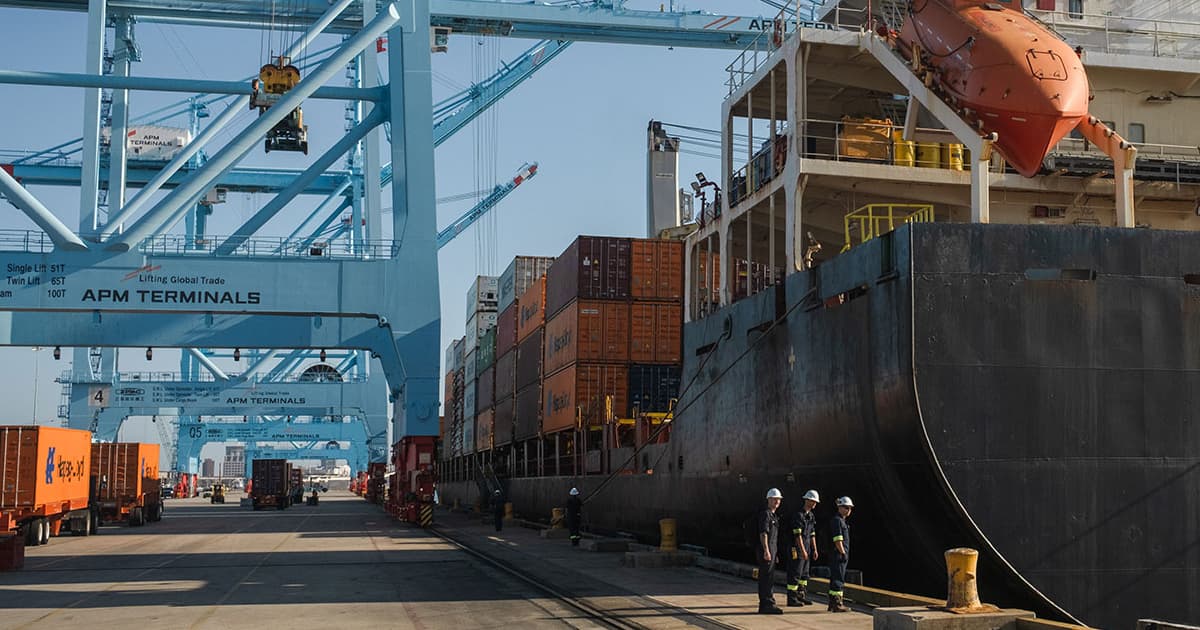
For freight forwarders and shippers, this development could introduce uncertainty regarding the future of these tariffs. If the court rules against the government, it might lead to a rollback or modification of the tariffs, potentially affecting import duties and the cost of goods. Forwarders should monitor the court's decision closely, as changes could influence sourcing decisions, customs clearance processes, and overall supply chain costs. A favorable ruling for the administration would maintain the status quo, while an unfavorable one could necessitate adjustments to compliance strategies and financial planning.