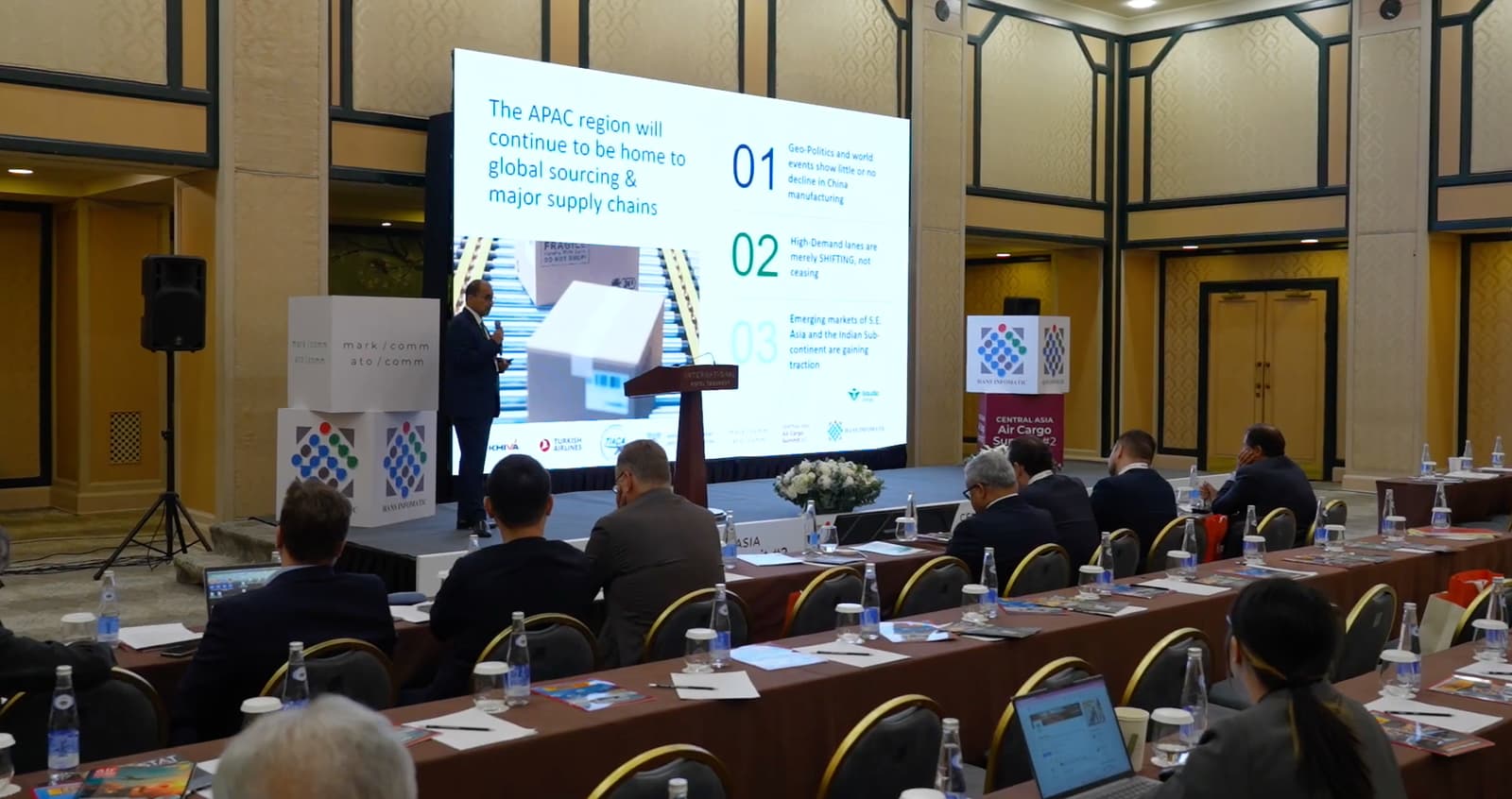
Central Asian countries are actively developing their air cargo capabilities and digital infrastructure to foster stronger trade connections across Eurasia. This strategic focus aims to enhance air, road, and rail links between major economic hubs in China, Europe, and the Middle East. The primary areas of development include upgrading physical infrastructure, streamlining customs procedures, and improving multimodal connectivity.
Stakeholders in the region are prioritizing the adoption of international standards such as IATA's ONE Record initiative, alongside greater data sharing, artificial intelligence (AI) integration, and cargo terminal automation. Cybersecurity measures are also being implemented to secure these digital advancements. These efforts are designed to boost operational efficiency and better integrate Central Asia into global supply chains.
For freight forwarders and logistics professionals, these developments in Central Asia signify potential improvements in transit times and reliability for cargo moving between Asia and Europe. Enhanced multimodal options, particularly the integration of air, road, and rail, could offer more flexible and resilient routing choices, potentially mitigating disruptions seen on traditional routes. The focus on digitalization and automation may also lead to more transparent and efficient customs processes, reducing delays and administrative burdens for shipments transiting the region.