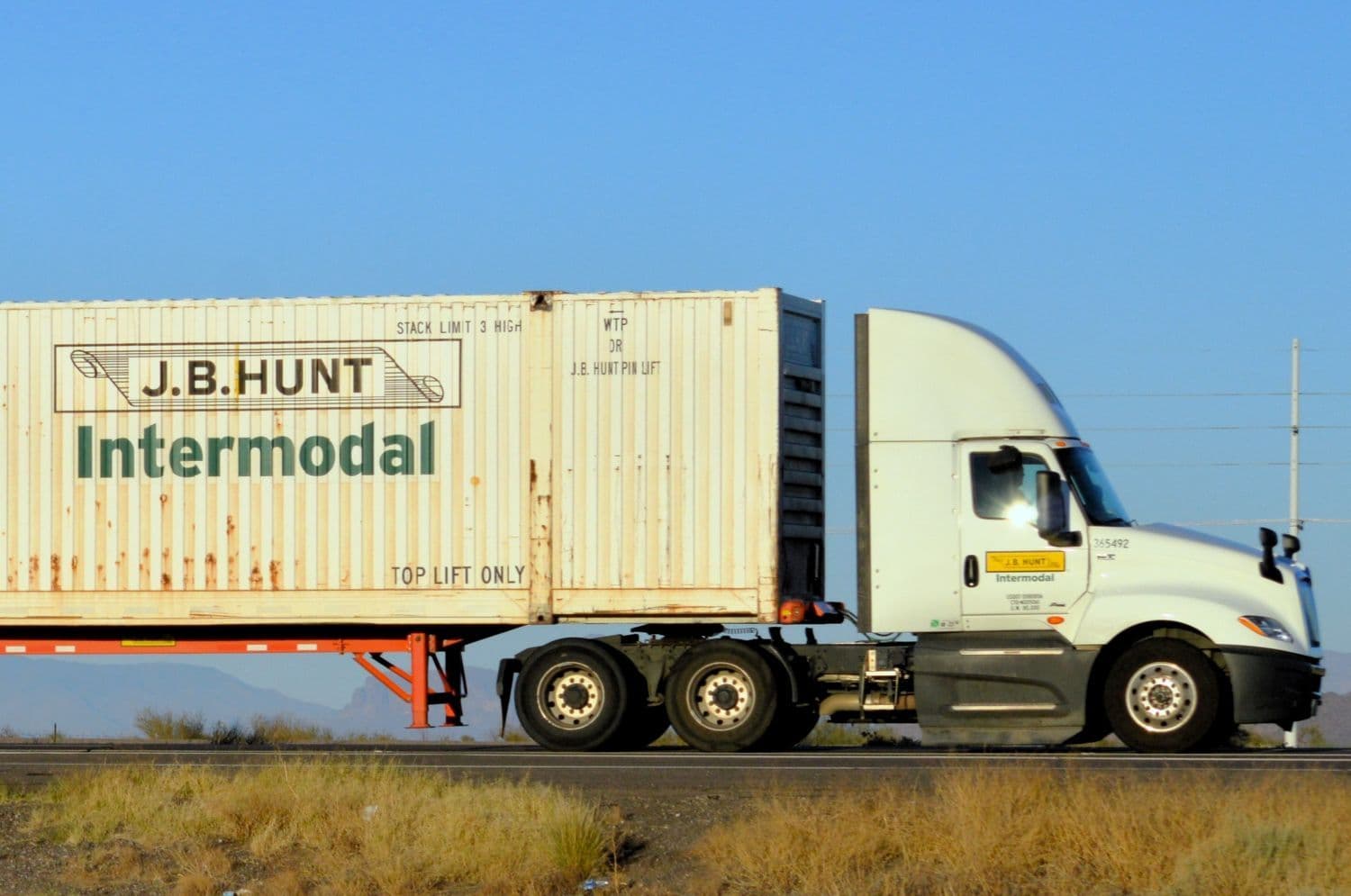
The domestic intermodal market is currently experiencing substantial drayage capacity constraints, primarily driven by a significant reduction in the available pool of drivers for 53-foot containers. This decline in driver numbers has been ongoing since the freight recession began in 2022, making it increasingly difficult for intermodal service providers to rapidly adapt to the recent surge in freight volumes.
This situation directly impacts freight forwarders and shippers by potentially leading to longer transit times, increased drayage costs, and reduced schedule reliability for intermodal shipments. The inability of drayage operators to keep pace with demand means that containers may sit longer at rail ramps, creating bottlenecks and delaying onward movement. Forwarders should anticipate potential delays and factor in higher drayage expenses when planning intermodal routes, especially in high-volume corridors. Proactive communication with drayage partners and exploring alternative inland transport options may become necessary to mitigate disruptions.