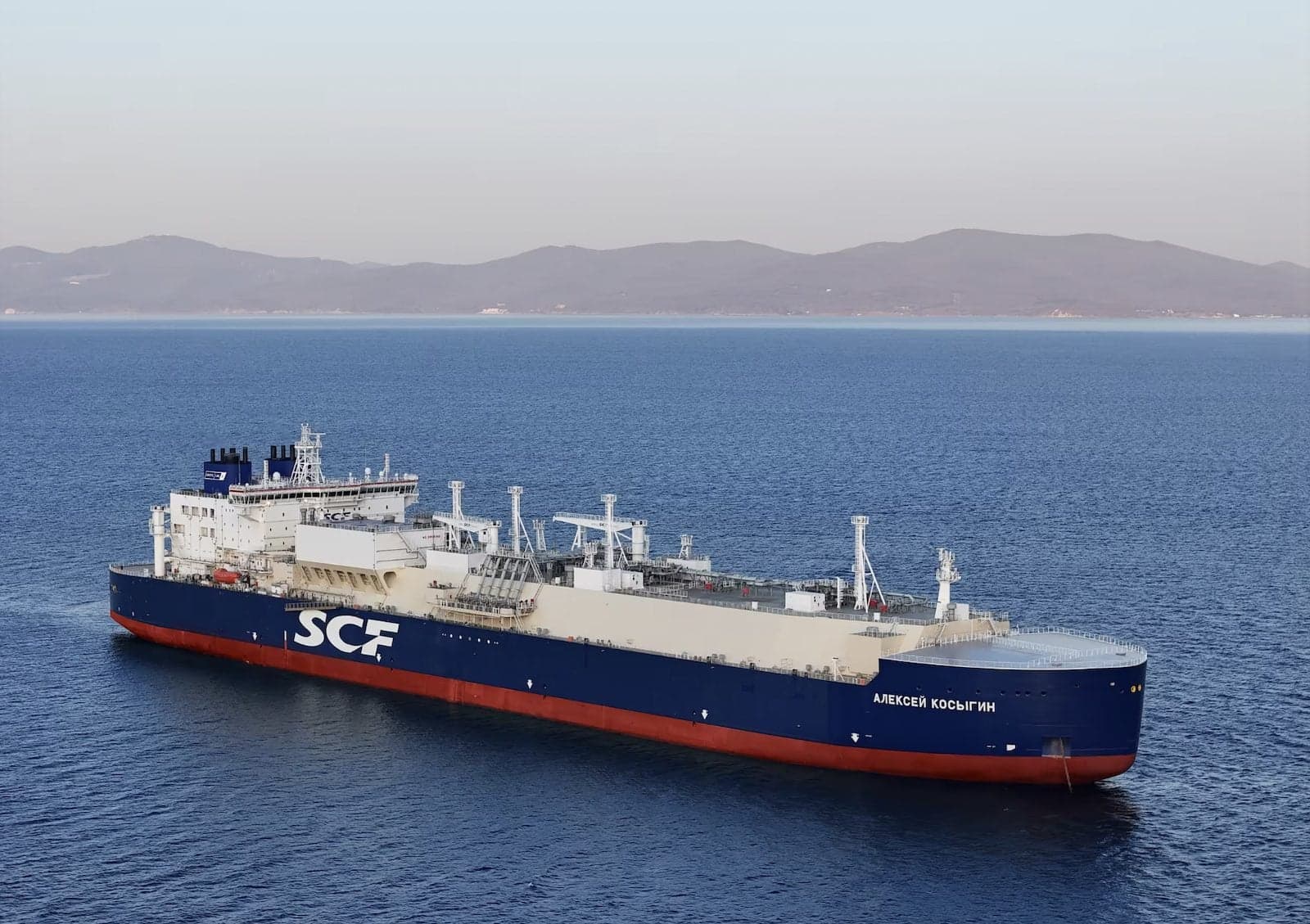
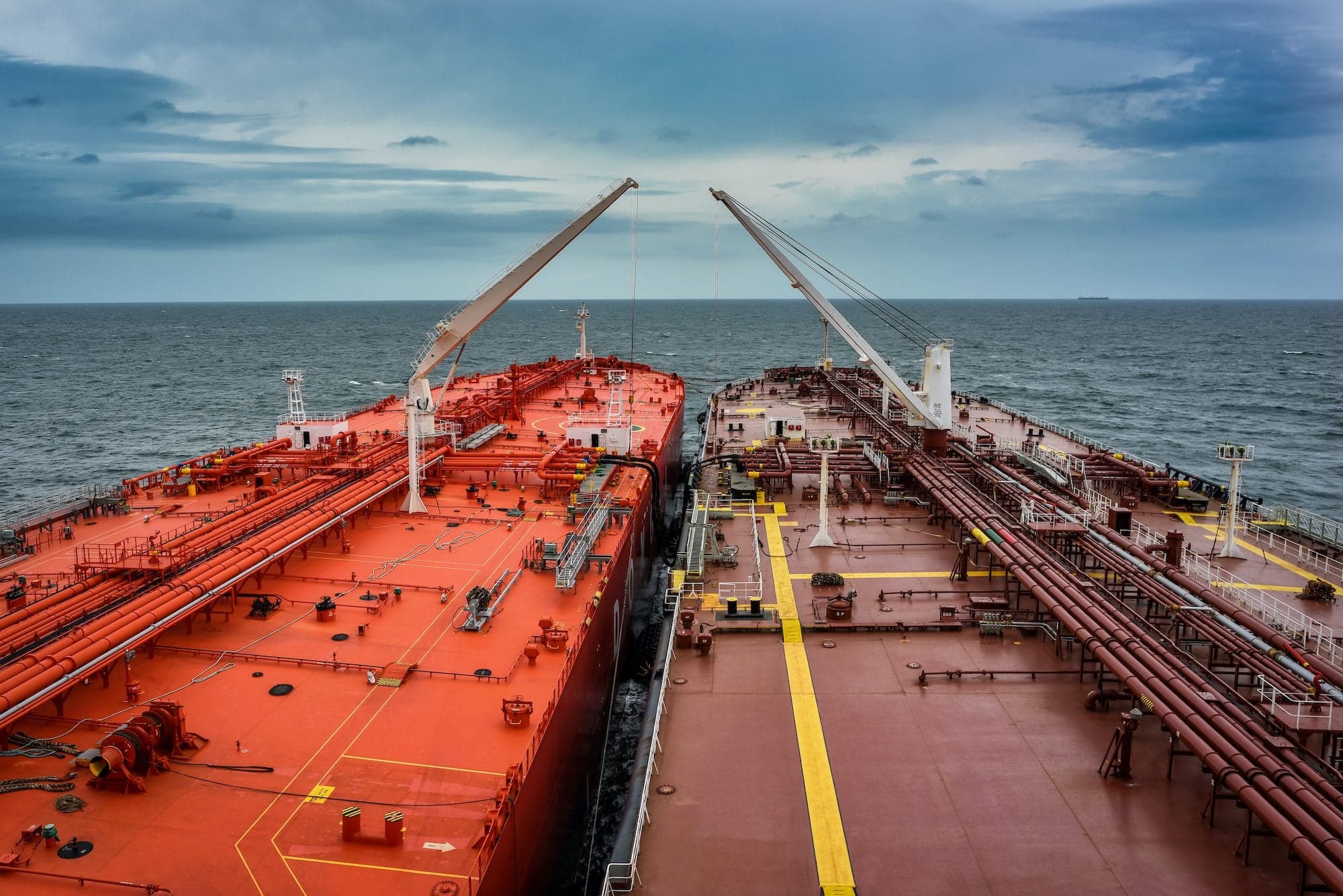
The second quarter of 2026 saw a substantial rise in "dark" vessel activity, where cargo ships and tankers over 10,000 DWT intentionally switch off their Automatic Identification System (AIS) transponders. The number of such vessels increased nearly fivefold compared to Q1 2026, with prolonged dark events (three days or longer) experiencing a sevenfold jump. Russia-affiliated vessels accounted for a significant portion of this activity, recording approximately 4,000 dark events within the quarter.
This trend poses considerable challenges for maritime authorities, insurers, and legitimate shipping operations. The deliberate disabling of AIS signals hinders transparent vessel tracking, making it difficult to monitor compliance with international sanctions, identify potential illicit trade, or respond effectively to maritime incidents.
For freight forwarders and supply chain analysts, this development means heightened risks and complexities. It becomes more challenging to verify the legitimate routing and activities of vessels, particularly when dealing with shipments in high-risk areas or those involving parties with opaque ownership structures. Increased due diligence will be necessary to mitigate exposure to sanctions violations or involvement in illegal activities. The opacity created by dark vessels can also impact cargo insurance premiums and the overall reliability of shipping schedules.
While the source does not explicitly state future actions, the continued increase in dark vessel activity suggests ongoing efforts by certain actors to circumvent maritime regulations and sanctions. This trend will likely prompt further development in alternative tracking technologies and increased scrutiny from regulatory bodies.