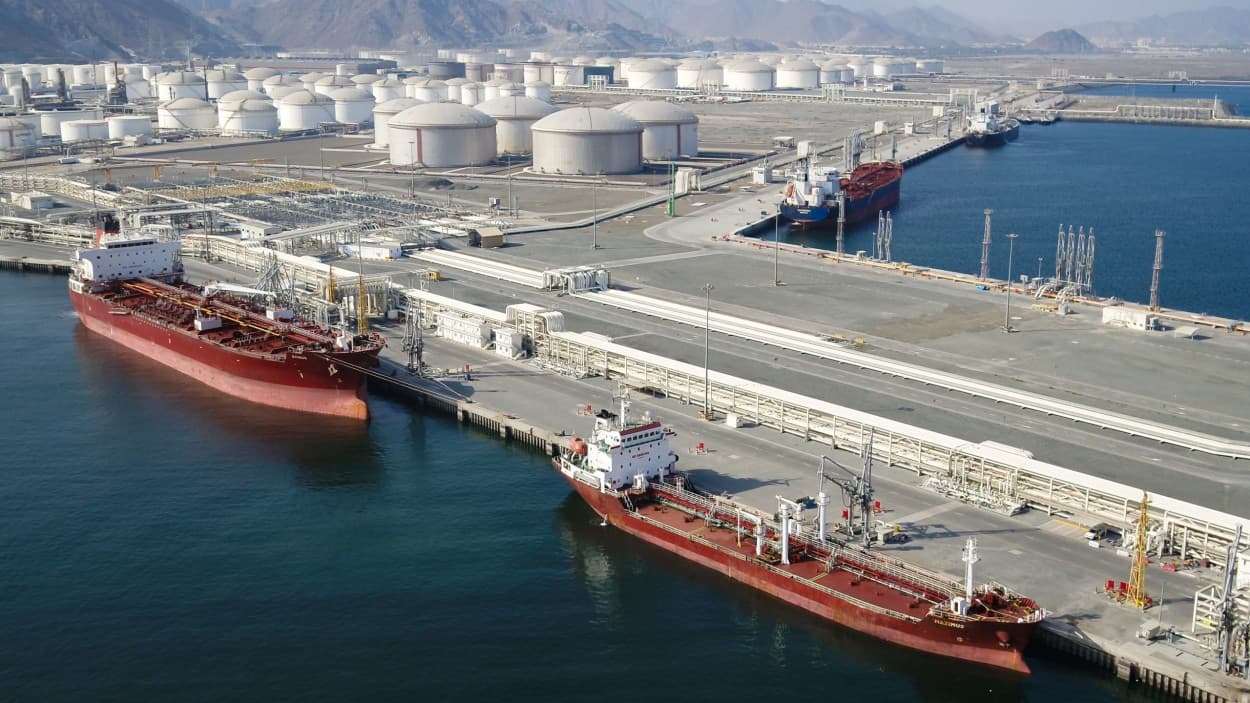
Recent data indicates that Iran has engaged in maritime attacks on at least 39 vessels operating in the Strait of Hormuz before these ships were publicly identified on any official blacklist. This pattern includes 18 of the 20 vessels that were added to a new list on October 15. The actions suggest a policy of immediate intervention against perceived targets, followed by their formal designation.
This approach presents a significant challenge for freight forwarders and shippers, as it eliminates any pre-emptive warning for vessels operating in the critical Strait of Hormuz. The lack of prior notification means that ships are vulnerable to attack without any opportunity to reroute or take enhanced security measures based on a published threat list. This increases the operational risk and potentially impacts insurance premiums for transiting the area. Forwarders must account for heightened uncertainty and potential disruptions to vessel schedules and cargo delivery through this vital chokepoint.
For forwarders, this situation necessitates a re-evaluation of risk assessments for all shipments transiting the Strait of Hormuz. It is crucial to stay updated on real-time intelligence and consider alternative routing options where feasible, despite the longer transit times and higher costs. The unpredictability of these actions could lead to increased war risk premiums and potential delays, impacting supply chain reliability and cost-effectiveness.