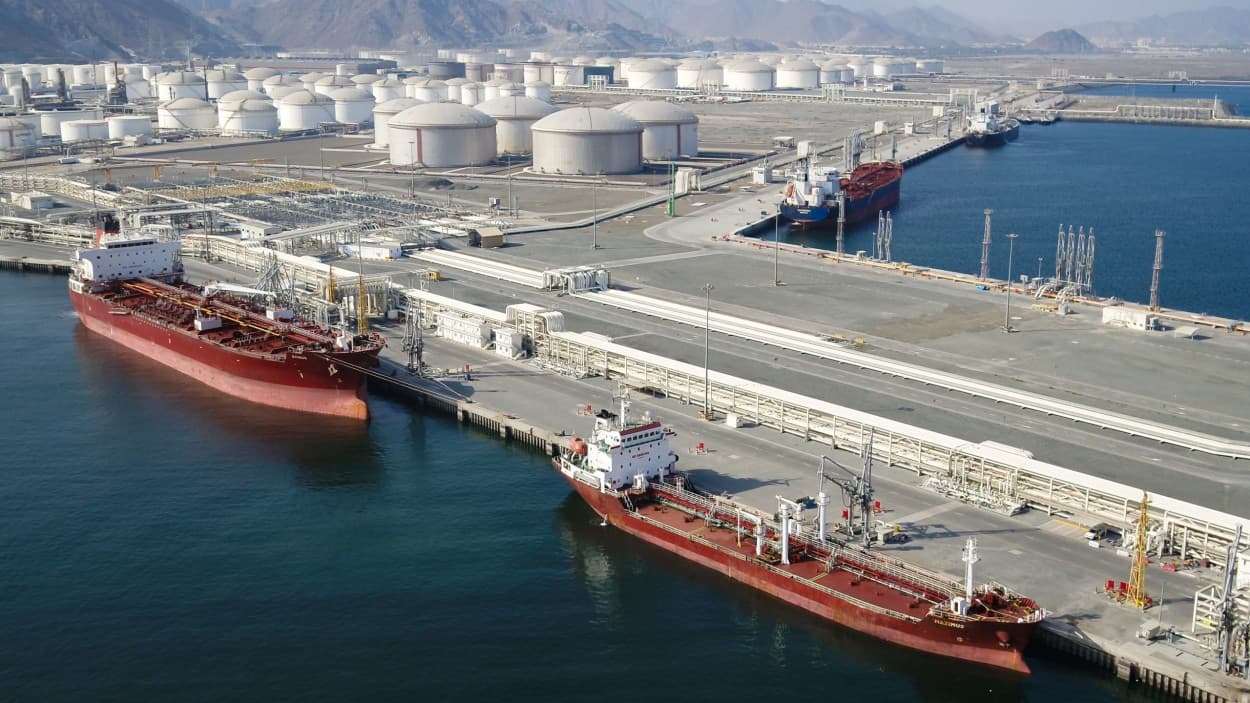
The port of Fujairah is witnessing a significant increase in ship-to-ship (STS) transfers, with monthly operations now reaching approximately 120. This surge underscores Fujairah's growing importance as a strategic alternative to the Strait of Hormuz for energy shipments. The United Arab Emirates is actively expanding its crude oil export routes through Fujairah to mitigate risks associated with potential disruptions in the Strait, particularly given ongoing tensions with Iran.
This shift is largely influenced by persistently high war risk insurance premiums for vessels transiting the Strait of Hormuz. By utilizing Fujairah, which lies outside the Strait, shippers can potentially reduce insurance costs and enhance supply chain security. The increased activity at Fujairah is testing the resilience and capacity of the Gulf's energy logistics infrastructure.
For freight forwarders and logistics managers, this development means a greater emphasis on routing flexibility and risk assessment in the Middle East. The availability of Fujairah as a bypass offers an alternative for crude oil and potentially other bulk liquid cargoes, which could influence vessel scheduling and bunker planning. While it may alleviate some pressure on the Strait of Hormuz, it also shifts operational demands to Fujairah's port and its surrounding maritime services. Forwarders should monitor war risk insurance rates and geopolitical developments closely, as these will continue to dictate the viability and cost-effectiveness of various routing options in the region.