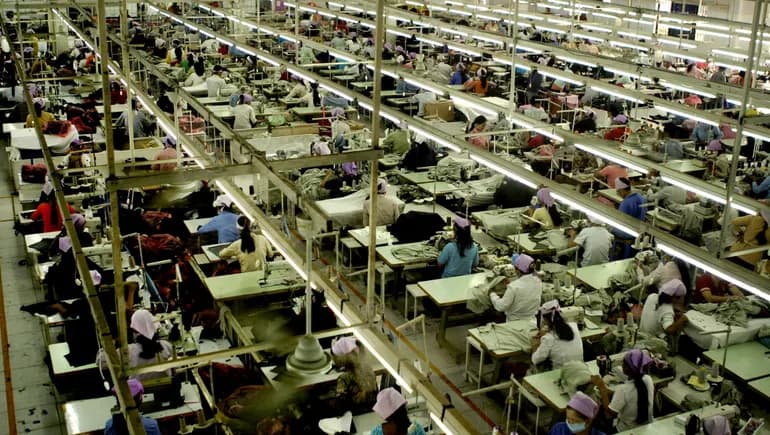
Between 2019 and 2025, the German transport and logistics industry recorded considerable employment growth. This expansion occurred concurrently with a substantial reduction in the German industrial sector, which shed close to 500,000 jobs. The automotive, metal, and mechanical engineering industries were particularly affected by these job losses, according to research conducted by the German economic research institute, ifo.
For freight forwarders and logistics operations managers, this trend indicates a potential shift in the German labor market. While traditional manufacturing sectors are contracting, the demand for logistics services and personnel is increasing. This could lead to a more robust and competitive labor pool within the logistics sector, potentially easing recruitment challenges for roles such as drivers, warehouse staff, and operational planners. However, it also highlights the need for continuous training and adaptation to ensure that the workforce transitioning from industrial roles possesses the necessary skills for logistics functions. The growth in logistics employment suggests sustained demand for freight movement, which is a positive indicator for forwarders operating in or with Germany, implying stable or increasing volumes.