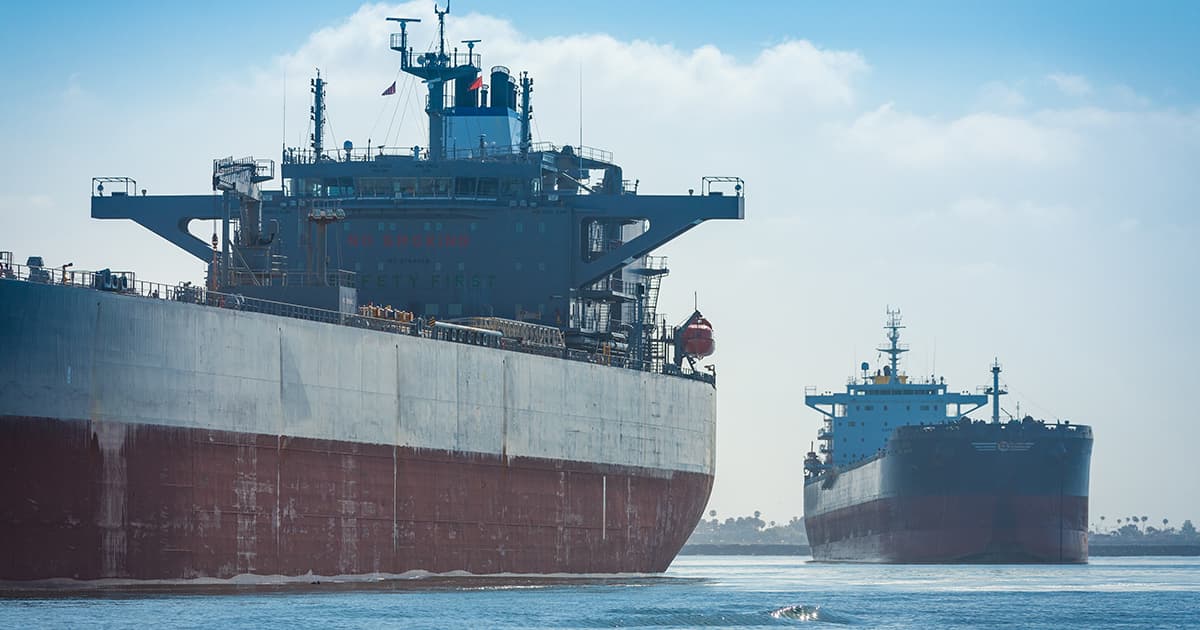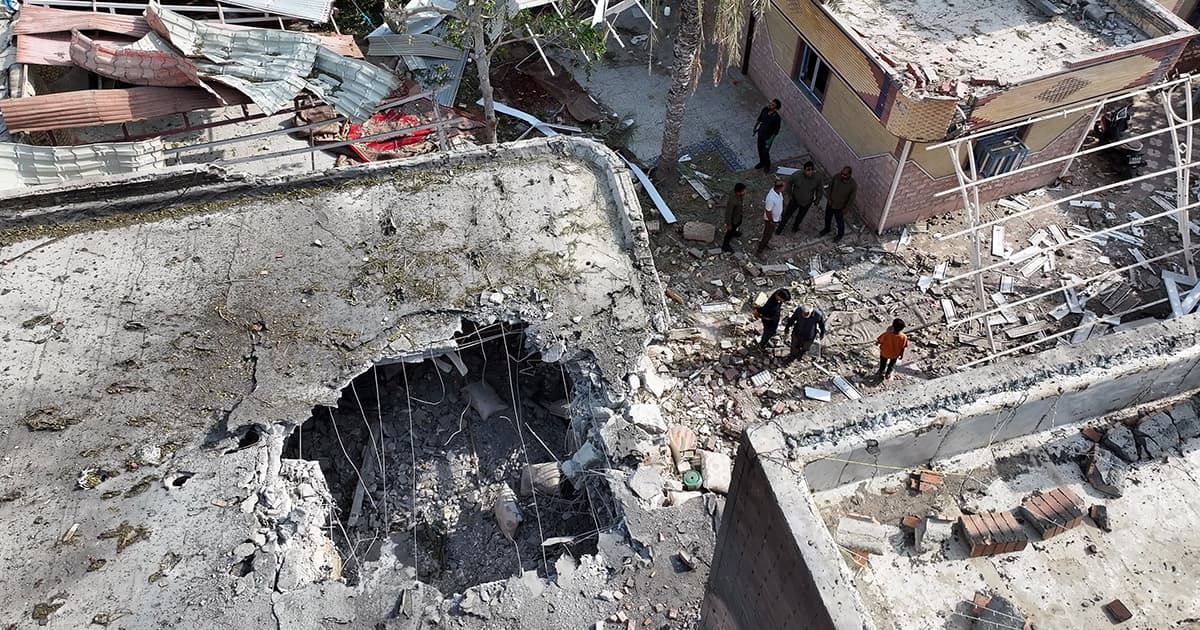
The unresolved geopolitical standoff between the United States and Iran continues to pose a significant risk to international maritime trade. This prolonged tension emphasizes Iran's strategic capability to potentially impede transit through the Strait of Hormuz, a crucial choke point for global energy supplies. Before recent hostilities, this strait was responsible for facilitating approximately one-fifth of the world's oil and liquefied natural gas (LNG) traffic.
For freight forwarders and shippers, the ongoing instability in this region translates directly into heightened operational risks. Any escalation could lead to increased war risk premiums for cargo insurance, rerouting of vessels, and significant delays. Such disruptions would inevitably drive up freight rates and extend transit times, particularly for shipments originating from or destined for the Middle East, or those relying on the Suez Canal route. Forwarders must closely monitor the situation and consider alternative routing or increased buffer times for their clients' supply chains.