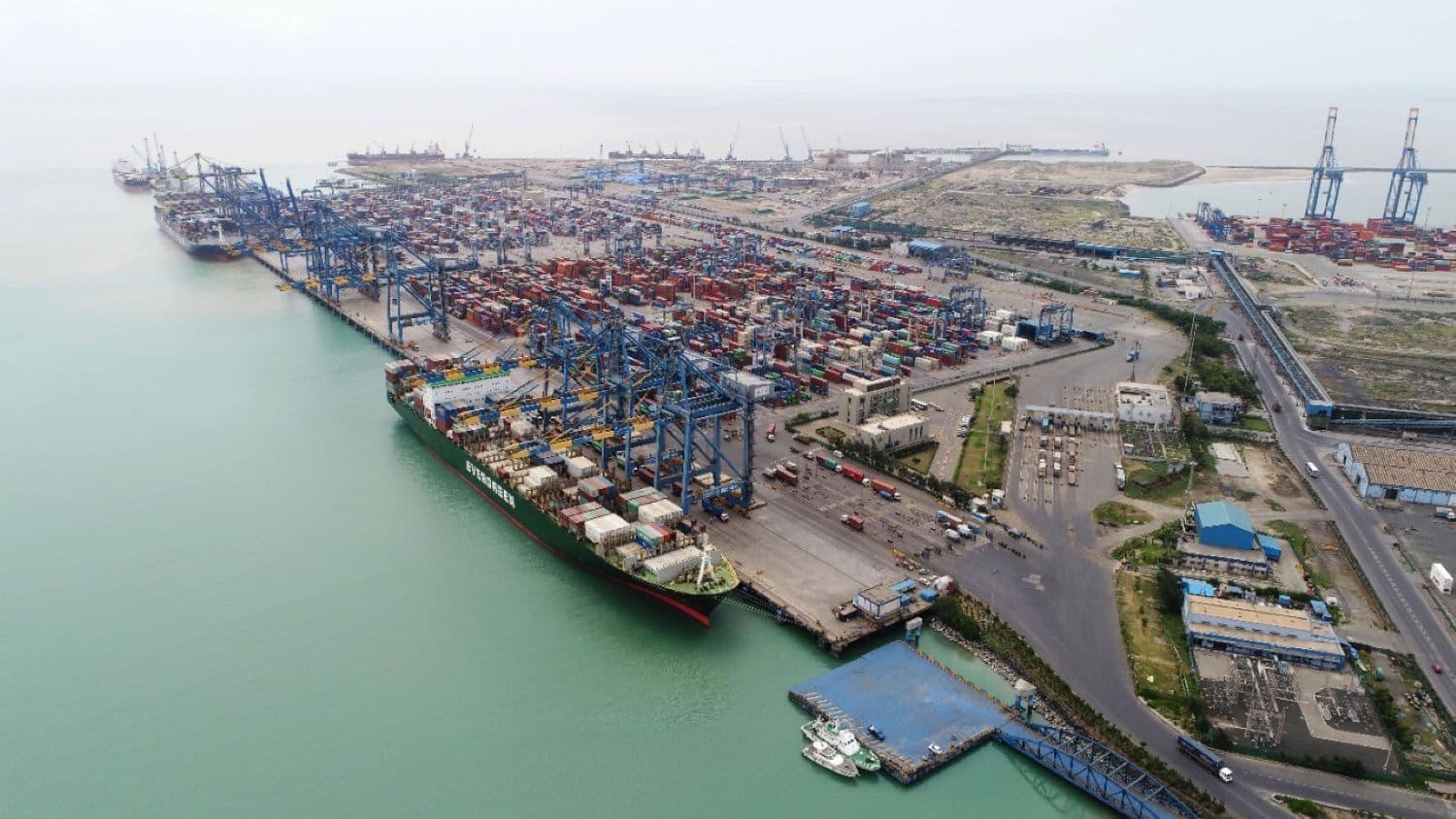
Mundra Port, a key Indian gateway, is currently facing a heightened risk of congestion. This situation stems from a recent directive issued by Adani Ports, the port operator, which eliminates the previous flexibility for ocean carriers to designate off-site depots for storing empty containers that pass through Mundra. The new rule became effective on September 1.
This policy shift has created a significant dispute among various stakeholders, including ocean carriers and other logistics players. The core issue revolves around the management and storage of empty containers, which are crucial for maintaining efficient cargo flow. Historically, allowing off-site storage provided a buffer and reduced pressure on port facilities.
For freight forwarders and operations managers, this development could lead to several challenges. Increased congestion at Mundra Port may result in longer vessel waiting times, delays in cargo processing, and potential disruptions to vessel schedules. This could, in turn, impact lead times for shipments to and from India, potentially increasing demurrage and detention charges. Forwarders may need to explore alternative routing options or factor in longer transit times and higher operational costs when planning shipments through this region.