Ørsted, a leading energy company, is advocating for a rapid increase in offshore wind energy development across Europe. The company emphasizes that such an acceleration is crucial for the continent to reduce its significant dependence on imported fossil fuels, which currently account for 57% of its energy supply. This strategic shift aims to bolster Europe's energy security and advance its decarbonization goals.
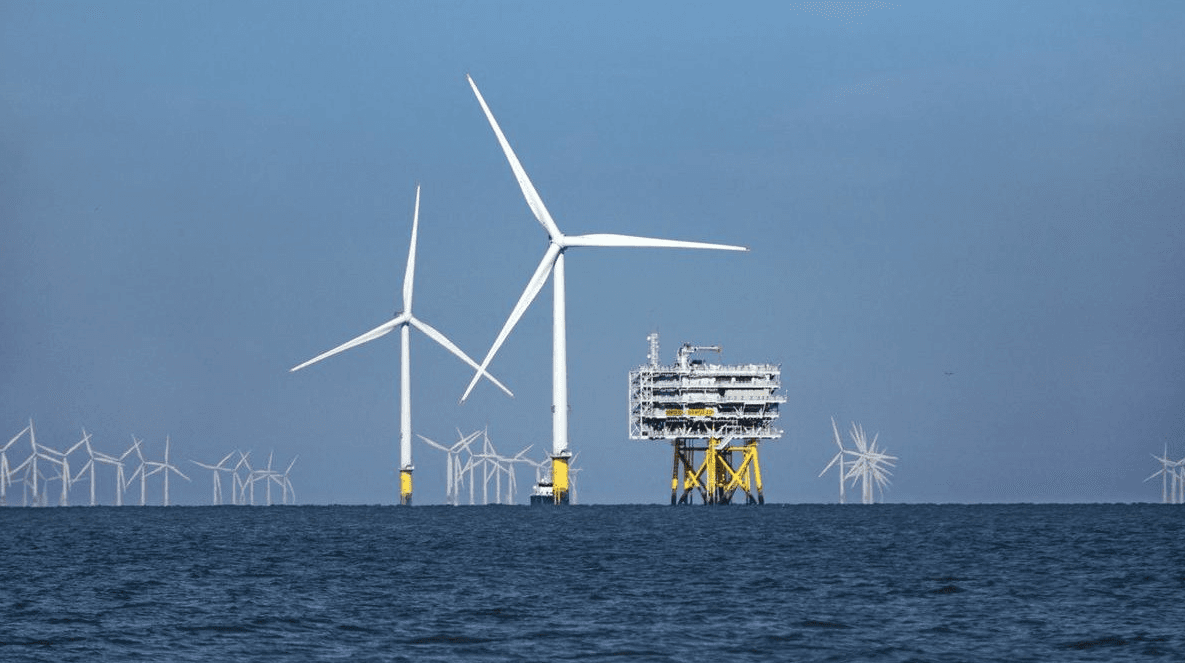
Projects such as the Burbo Bank offshore wind farm serve as practical examples, illustrating the extensive logistical requirements involved in large-scale renewable energy infrastructure. These include specialized port facilities, a robust fleet of installation and support vessels, and comprehensive project logistics management. Expanding these capabilities is essential to facilitate the widespread deployment of domestic renewable generation capacity throughout Europe.
For freight forwarders and logistics professionals, this push for accelerated offshore wind development signals a growing demand for specialized services in the project cargo and heavy-lift sectors. It implies increased opportunities in transporting oversized components like wind turbine blades, nacelles, and foundations, as well as managing complex port operations and vessel charters. Forwarders should anticipate a need for enhanced expertise in route surveys, permitting, and multimodal solutions to support these large-scale energy projects. Investment in specialized equipment and skilled personnel will be vital to capitalize on this expanding market segment.