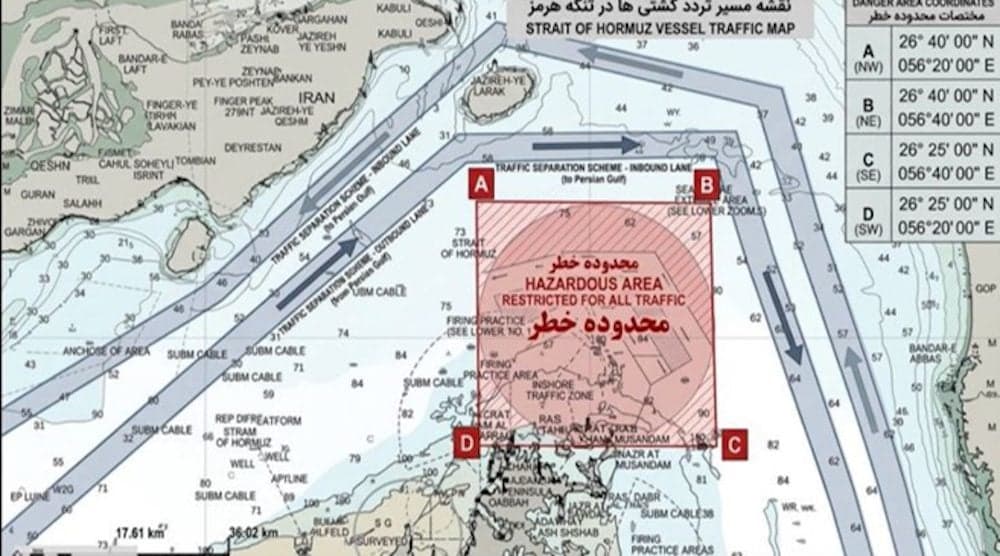
Tensions between the United States and Iran have significantly escalated following recent military actions in the Strait of Hormuz. Iran's Islamic Revolutionary Guard Corps (IRGC) claimed responsibility for attacks on a US-operated drone boat and several commercial vessels. These incidents occurred shortly after the US reportedly struck three Iranian oil tankers, as reported by Al Jazeera.
This series of events marks a deepening confrontation in a strategically vital waterway for global oil shipments. The Strait of Hormuz is a narrow passage connecting the Persian Gulf to the open ocean, through which a significant portion of the world's seaborne oil passes daily.
For freight forwarders and shippers, this escalation carries several implications. The increased risk of conflict in the Strait of Hormuz could lead to higher war risk insurance premiums for vessels transiting the area, directly impacting shipping costs. Furthermore, any sustained disruption or perceived threat could cause volatility in global oil prices, affecting bunker fuel costs and the broader supply chain. Operational managers should monitor the situation closely and consider potential rerouting options or contingency plans for cargo moving through or near the region, particularly for oil and gas-related shipments.