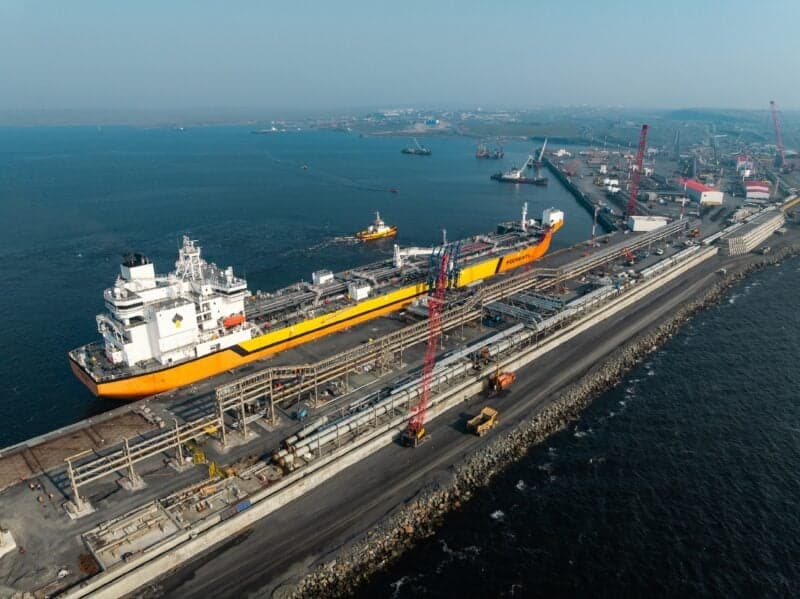
Very Large Crude Carrier (VLCC) rates originating from the US Gulf Coast reached record levels on September 4th. This significant increase was primarily attributed to a scarcity of available vessels within the Atlantic Basin. Concurrently, firmer VLCC rates observed in other international markets further bolstered this upward trend in pricing.
Adding to the market's bullish sentiment was the heightened volatility stemming from persistent geopolitical risks and uncertainties surrounding transits through the Strait of Hormuz. Such factors often lead to longer transit times or rerouting, impacting vessel availability and operational costs.
For freight forwarders and operations managers, these record-high VLCC rates translate directly into increased costs for crude oil transportation. Shippers will face higher freight expenses, which could ultimately affect commodity prices. The tight tonnage situation in the Atlantic suggests potential delays or difficulties in securing vessel space, requiring forwarders to plan further in advance and potentially explore alternative shipping strategies or contractual agreements to mitigate cost and capacity risks. The geopolitical risks in key transit choke points like the Strait of Hormuz underscore the need for continuous monitoring of global events, as they can rapidly influence shipping routes, insurance premiums, and overall market stability.