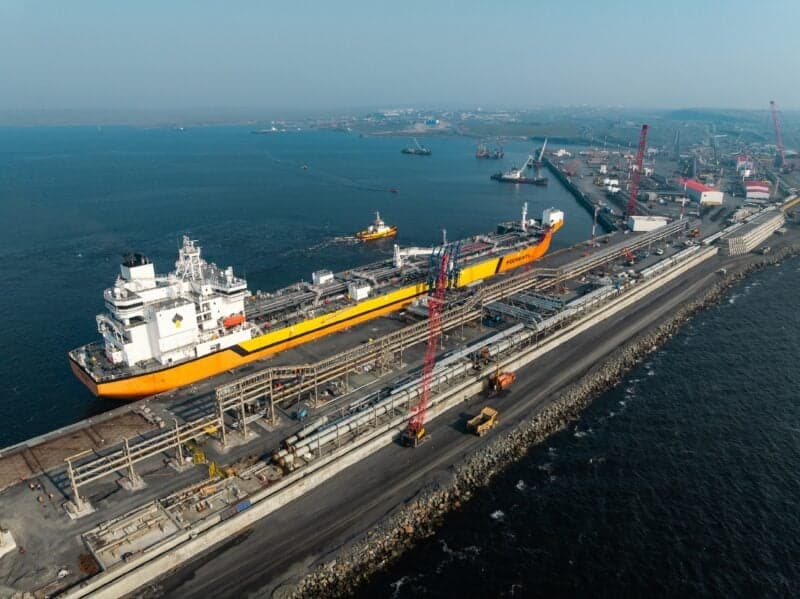
The Liquefied Natural Gas (LNG) shipping market is currently experiencing sustained pressure, primarily attributed to an abundance of available vessels. While the Atlantic basin has shown some indications of stability, September laycans are largely secured, shifting focus to October requirements. Despite emerging spot inquiries, the elevated vessel supply in both the Atlantic and Pacific basins continues to depress freight rates.
In contrast, the Liquefied Petroleum Gas (LPG) shipping market is demonstrating a positive trajectory. Rates for larger LPG carriers, specifically Very Large Gas Carriers (VLGCs), have seen an increase, particularly for routes from the Middle East to the Far East. This upward movement is supported by robust demand for these larger vessels and a tightening of available capacity. Medium-sized gas carriers (MGCs) and Handysize vessels are also experiencing rate improvements, driven by strong activity in the European and Mediterranean regions, as well as increased demand in the Far East.
For freight forwarders and logistics professionals, the divergence in these markets presents differing operational considerations. The soft LNG market may offer opportunities for more competitive charter rates for those involved in LNG transport, though overall demand remains a factor. Conversely, the strengthening LPG market suggests that securing capacity for LPG shipments, especially for VLGCs and MGCs, may become more challenging and potentially more expensive in the near term. Forwarders should anticipate higher freight costs and potentially longer lead times for LPG movements, particularly on key trade lanes.