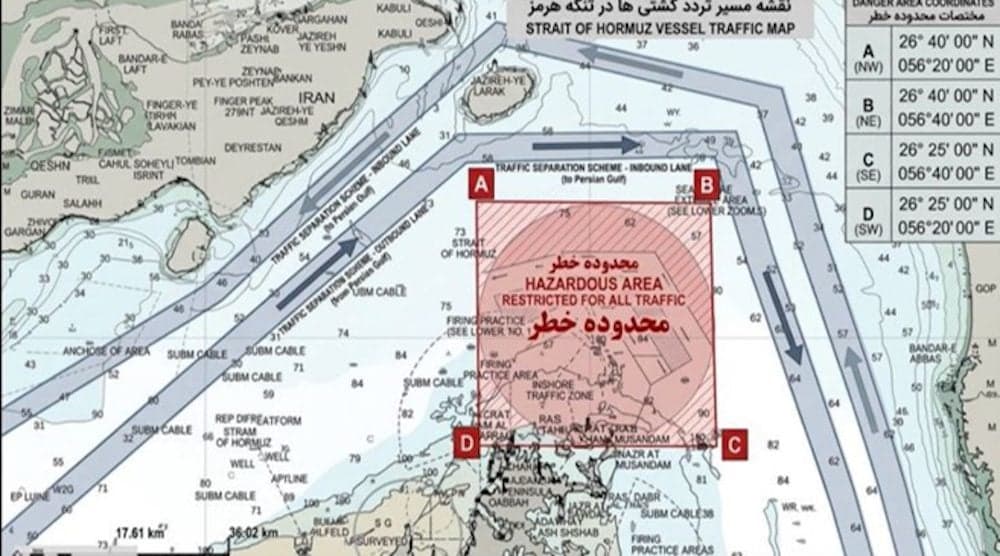
Iran has declared that it will soon implement a new restricted maritime zone within the Persian Gulf, alongside publishing maps for an updated shipping corridor through the Strait of Hormuz. This announcement comes after a weekend marked by reciprocal attacks on vessels in the region, which subsequently led to a rise in global oil prices on Monday.
For freight forwarders and operations managers, this situation introduces potential complexities for vessel routing and schedule reliability through one of the world's most critical chokepoints for oil and gas shipments. The establishment of a new restricted zone could necessitate adjustments to voyage plans, potentially increasing transit times and fuel consumption, and may also lead to higher war risk insurance premiums. Shippers should anticipate possible delays and increased costs for cargo transiting the Strait of Hormuz, particularly for tanker and dry bulk operations. Close monitoring of official announcements from Iranian authorities and international maritime advisories will be crucial for maintaining operational continuity and ensuring compliance.