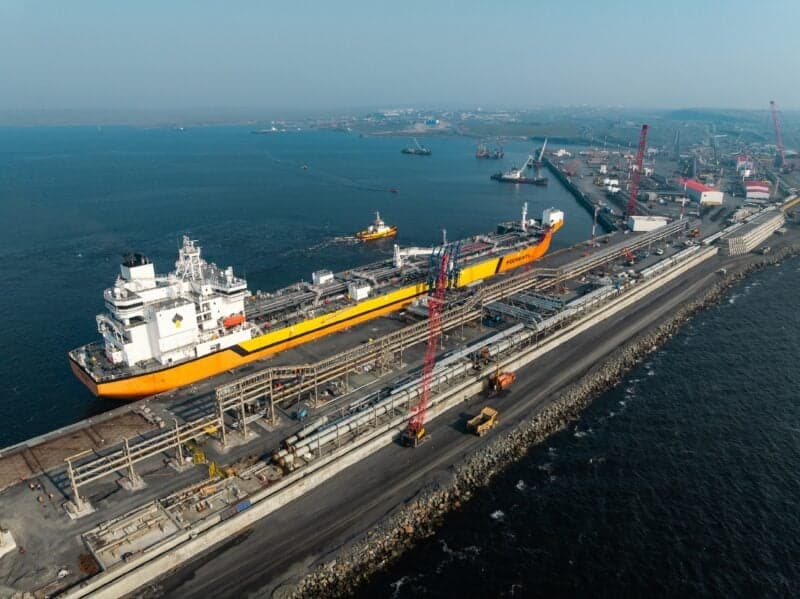
CEVA Logistics has reported that recent disruptions within the Strait of Hormuz are significantly impacting global supply chains, pushing current resilience strategies to their limits. The company highlights that cargo is being redirected from traditional routes, leading to increased utilization of alternative port facilities. This situation underscores a growing dependency on diversified logistics approaches, including expanded use of road corridors, rail networks, and integrated sea-air services, as noted by Ewa Włodarczyk.
For freight forwarders and operations managers, this means a heightened need for agility and robust contingency planning. The shift towards alternative routes and multimodal transport options can lead to longer transit times and potentially increased costs, particularly for time-sensitive or project cargo. Forwarders should proactively assess their clients' exposure to the Strait of Hormuz and explore pre-approved alternative routing strategies, including those leveraging sea-air combinations or overland corridors, to mitigate potential delays and maintain service reliability. This scenario also emphasizes the importance of real-time visibility tools to track diverted shipments and manage client expectations effectively.
Looking ahead, the ongoing volatility in critical maritime chokepoints like the Strait of Hormuz suggests that investment in flexible and diversified logistics networks will remain a priority for shippers and their forwarding partners. The ability to quickly pivot between transport modes and geographical gateways will be crucial for maintaining supply chain continuity.