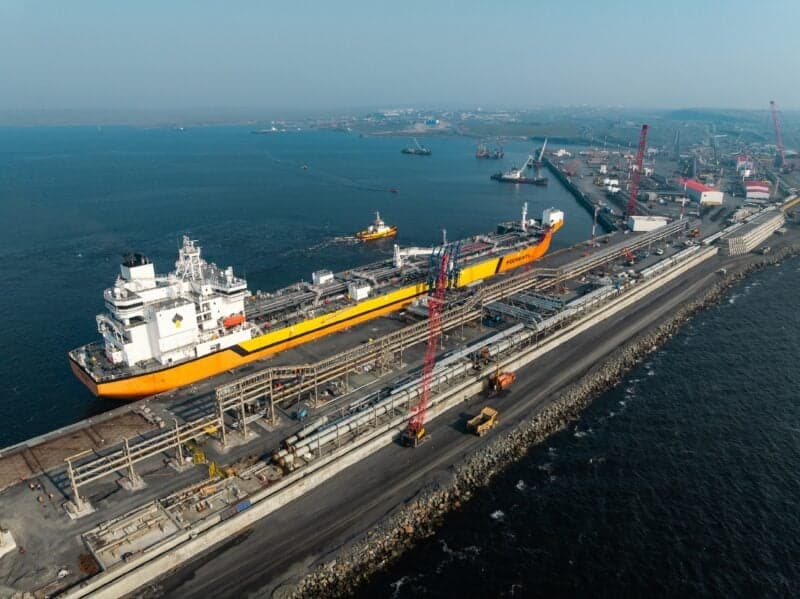
Oil prices are trending higher as geopolitical tensions in the Persian Gulf escalate, marked by recent tanker incidents. The market remains sensitive to ongoing friction between the US and Iran, with reports of US forces striking Iranian-linked tankers. Concurrently, Iran has stated it is taking action against vessels navigating unauthorized routes within the region.
This volatile environment contributes to uncertainty regarding crude oil supply from a critical global shipping artery. The Strait of Hormuz, a narrow passage connecting the Persian Gulf to the open ocean, is a vital chokepoint for oil exports, making any disruption in the area significant for global energy markets.
For freight forwarders and shippers, the primary impact of these developments is likely to be felt in increased operational costs and potential routing adjustments. Higher crude oil prices typically translate to elevated bunker fuel costs, which carriers will pass on through surcharges. Furthermore, the heightened risk of incidents in the Persian Gulf could lead to increased war risk premiums for vessels transiting the region, adding another layer of expense. Forwarders should monitor the situation closely for any advisories from carriers or changes in insurance coverage terms, and consider potential delays or rerouting if tensions escalate further.