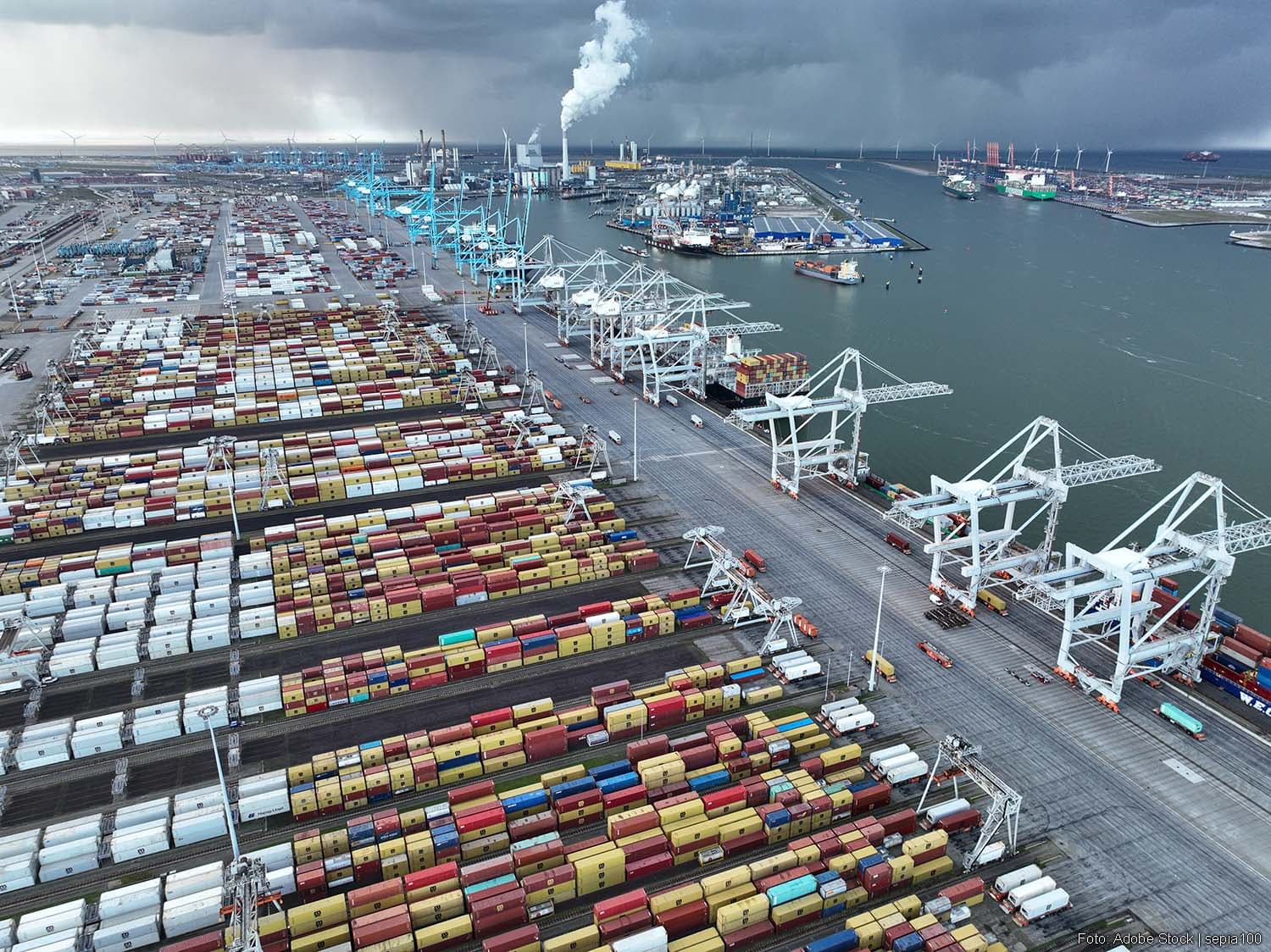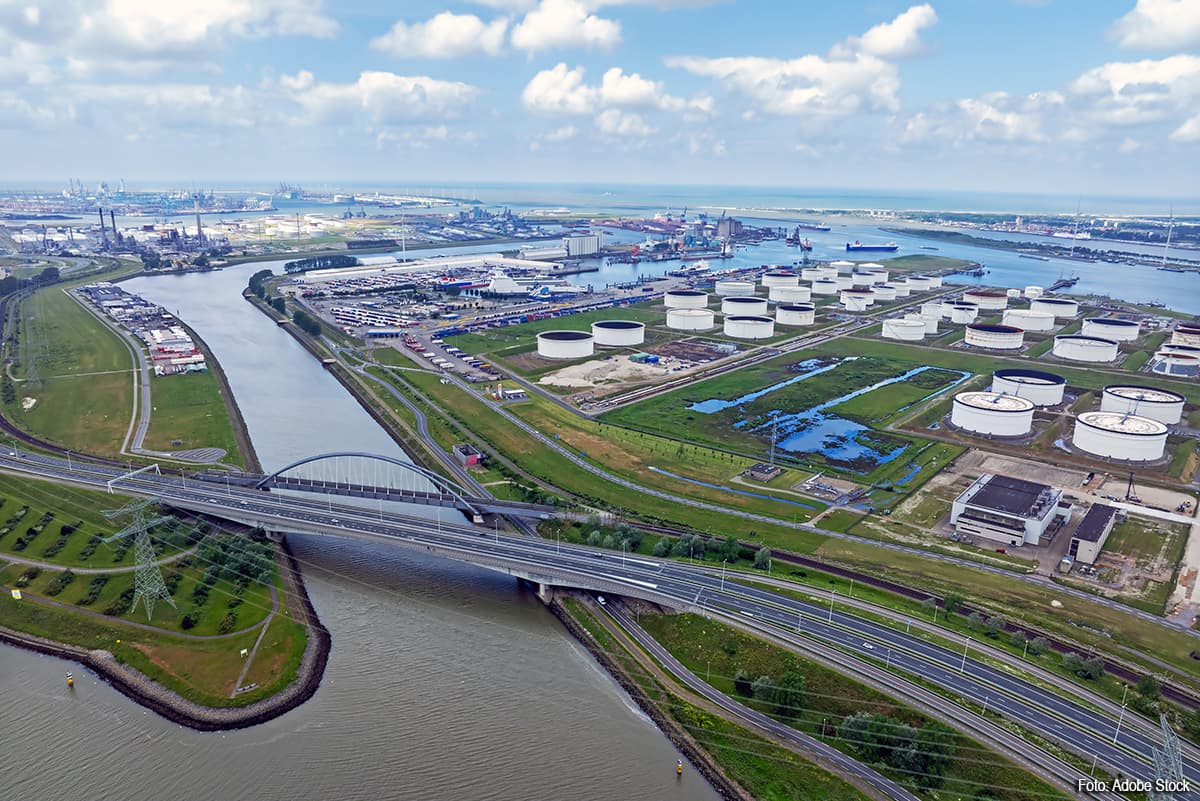
Five prominent Dutch seaports are calling on European policymakers to swiftly translate the European Port Strategy into concrete, actionable, and adequately financed measures. They emphasize that clarity and substantial funding, estimated at a minimum of €80 billion, are essential to facilitate significant investments in crucial areas. These include the modernization of quays, enhancement of energy infrastructure, improvement of rail and inland waterway connections, strengthening cybersecurity defenses, and bolstering military mobility capabilities.
For freight forwarders and logistics professionals, this initiative signals potential future improvements in port efficiency and connectivity across Europe. Increased investment in rail and inland waterway links could lead to more reliable and cost-effective multimodal transport options, reducing reliance on road transport for hinterland connections. Enhanced energy infrastructure may support the adoption of greener shipping practices and alternative fuels, impacting vessel turnaround times and potentially bunker availability. Improvements in cybersecurity are critical for supply chain resilience, mitigating risks of operational disruptions. Ultimately, these investments aim to strengthen Europe's position as a global trade hub, potentially leading to more stable capacity and improved transit times for cargo moving through these ports.
The push for this strategy underscores a recognition among European port authorities that significant capital injection is required to maintain and enhance their competitive edge in a rapidly evolving global trade landscape. The focus on diverse areas, from physical infrastructure to digital security, reflects a holistic approach to port development.