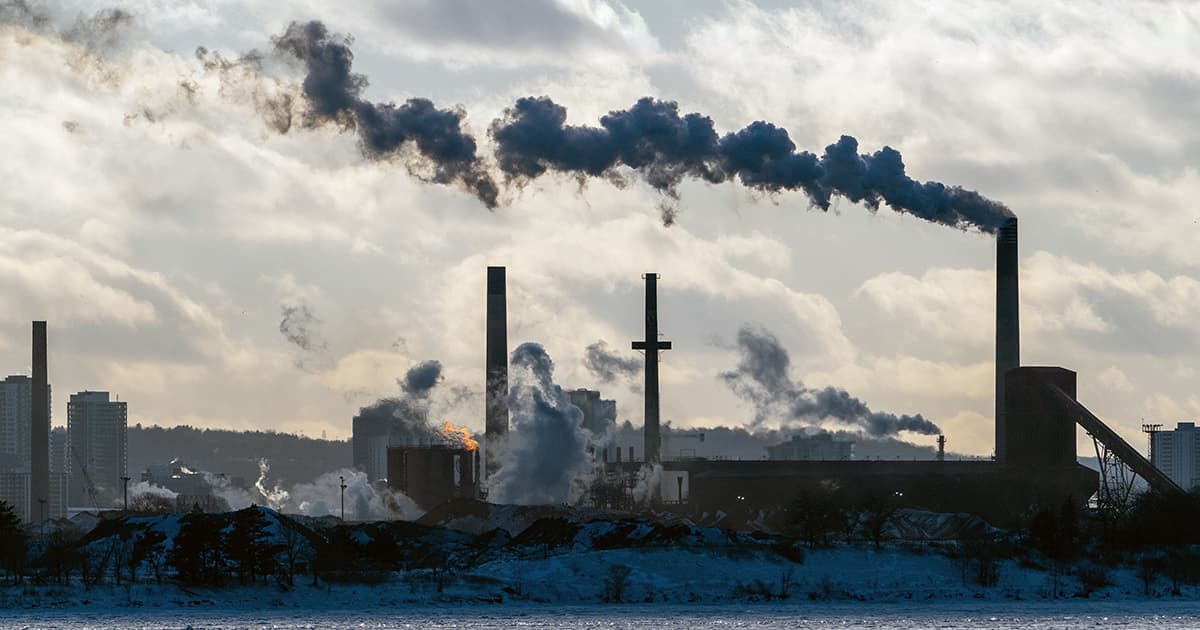
Stelco, a steel producer, recently disclosed a series of layoffs, which the company partly attributed to tariffs implemented by former US President Donald Trump. In response, a prominent Canadian official has publicly condemned Stelco's actions, suggesting a betrayal of Canadian workers. The official also indicated the possibility of pursuing legal action against the company.
This situation underscores the ongoing tension and economic repercussions stemming from international trade policies, particularly the use of tariffs. Such measures can significantly affect cross-border supply chains and employment within industries reliant on international trade.
For freight forwarders and supply chain professionals, these developments signal potential shifts in trade flows and manufacturing locations. Tariffs can alter the competitiveness of goods, influencing sourcing decisions and ultimately impacting freight volumes and routing. Legal challenges or further policy changes could introduce additional uncertainty, requiring forwarders to remain agile in their planning and risk assessment.