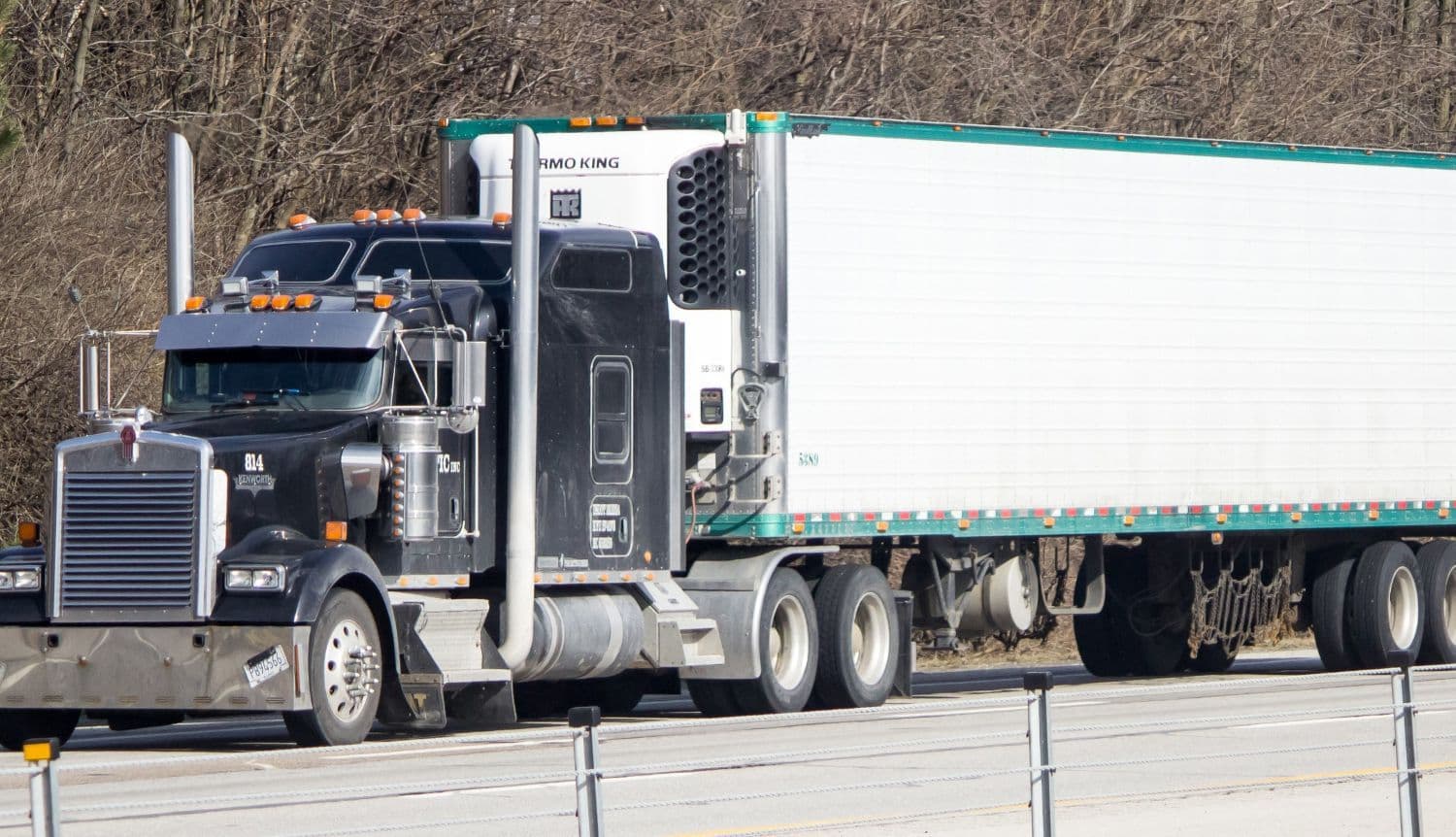
The US truckload market is evolving past the initial phase of rapid rate increases and capacity disruptions, moving towards a more structured repricing model. This shift indicates that the market is establishing a new, higher rate equilibrium as available trucking capacity becomes increasingly constrained.
For freight forwarders and shippers, this means a departure from the unpredictable and often extreme rate fluctuations seen previously. While rates are expected to remain elevated compared to past lows, the market is becoming more orderly, allowing for better forecasting and budgeting for inland transportation costs. Operational managers should anticipate sustained higher costs for truckload services and plan accordingly, potentially exploring longer-term contracts to secure capacity and mitigate further volatility.
This trend suggests that the era of readily available, low-cost truckload capacity may be over for the foreseeable future, necessitating strategic adjustments in supply chain planning and logistics procurement.