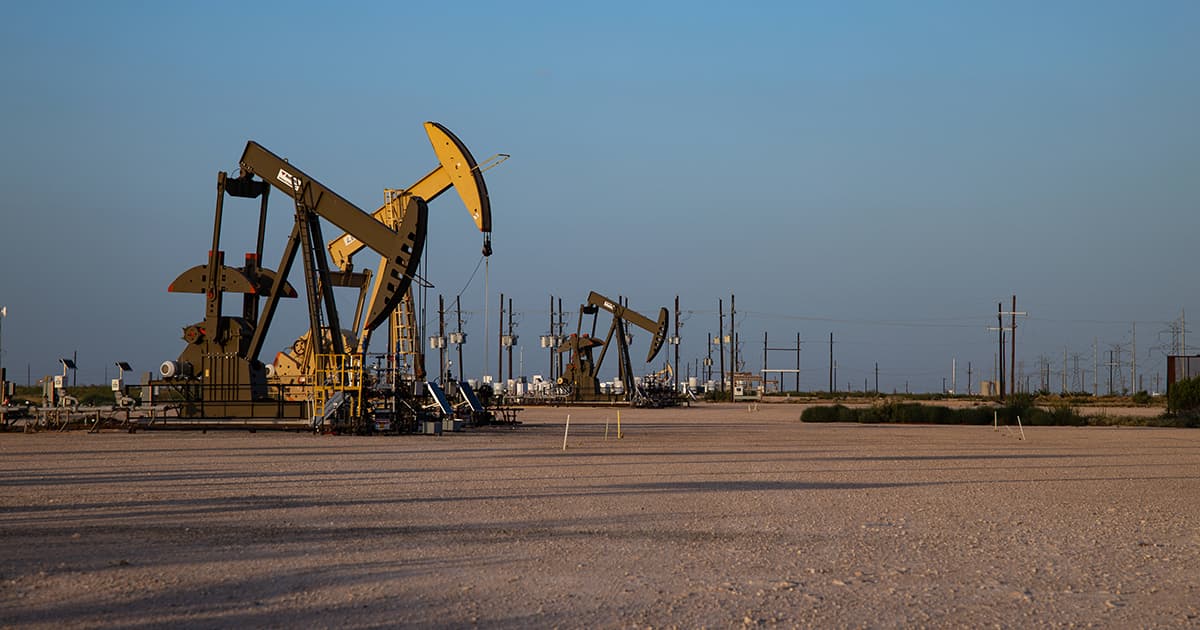
A recent report by the Federal Reserve Bank of Dallas, based on anonymous feedback from energy executives, indicates that the conflict involving Iran is a primary driver of wide swings in oil prices. This geopolitical tension is creating considerable unease within the energy sector.
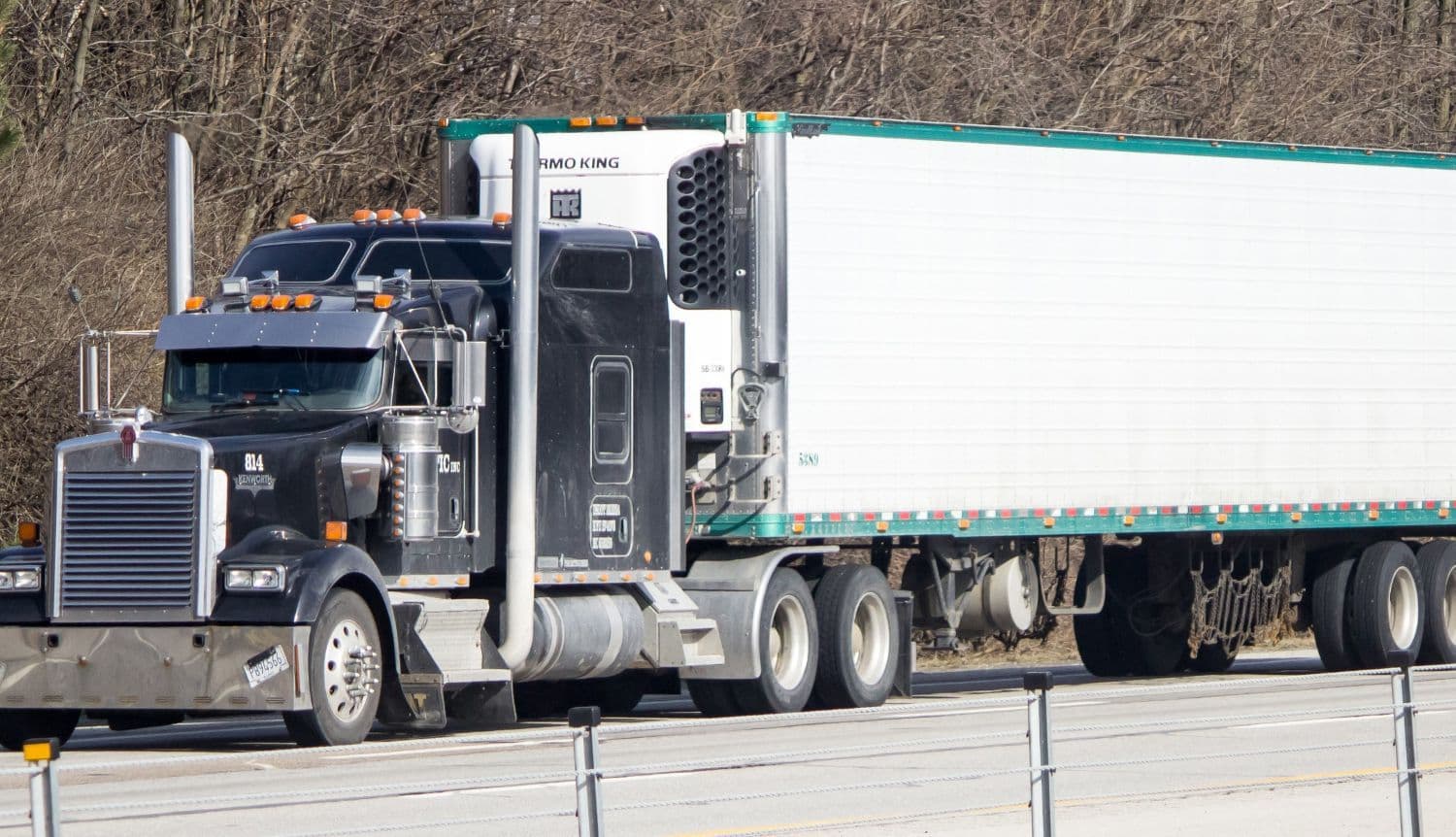
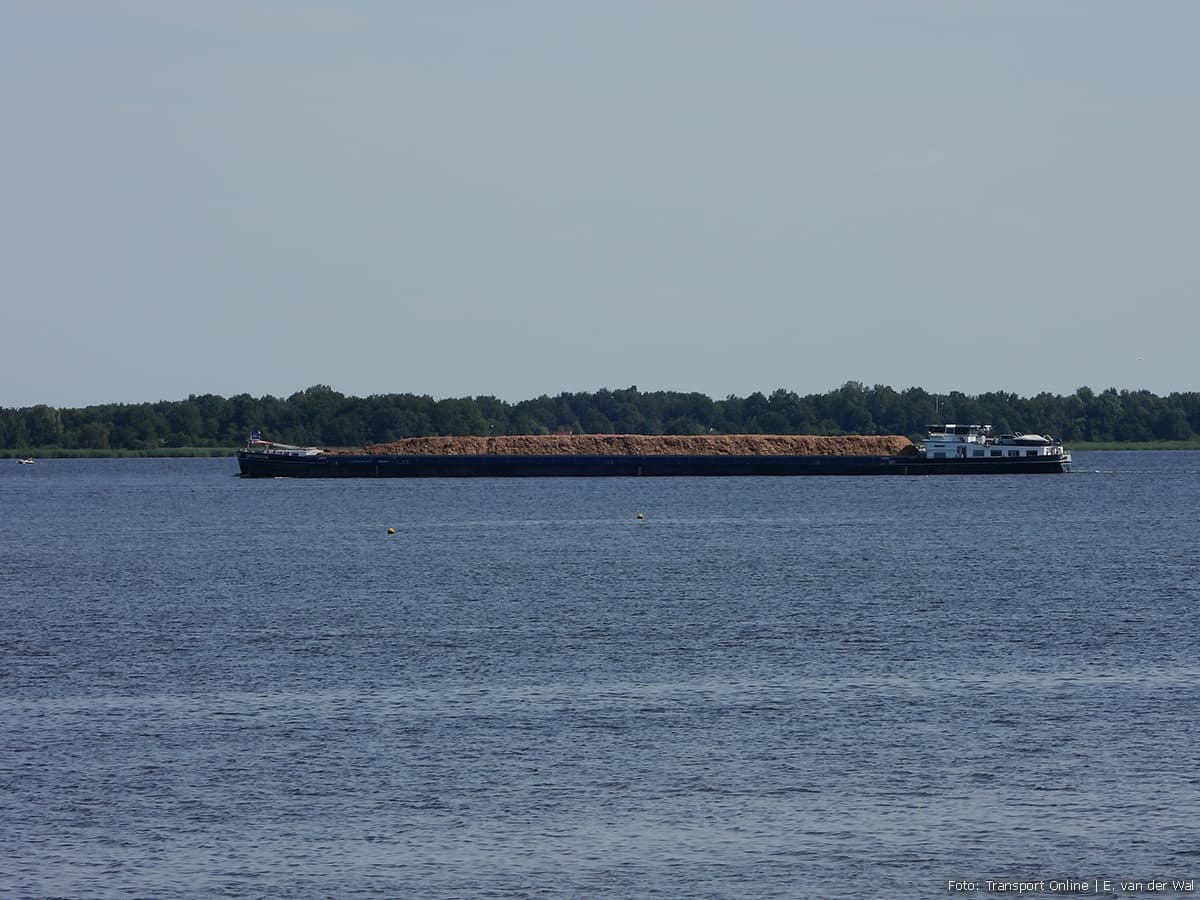
For freight forwarders and supply chain managers, this volatility in oil prices directly translates to unpredictable bunker fuel costs for sea freight and fuel surcharges for air, road, and rail transport. Such fluctuations make budgeting and long-term rate negotiations challenging, potentially leading to higher operational expenses and impacting overall shipment profitability. Forwarders may need to implement more dynamic pricing strategies or consider hedging options to mitigate risks associated with fuel cost instability. The broader geopolitical instability also introduces potential risks to shipping lanes and supply chain reliability, although the article does not specify direct disruptions.
The report highlights a prevailing sentiment among industry leaders that geopolitical events are significantly influencing commodity markets, underscoring the interconnectedness of international relations and global trade logistics.